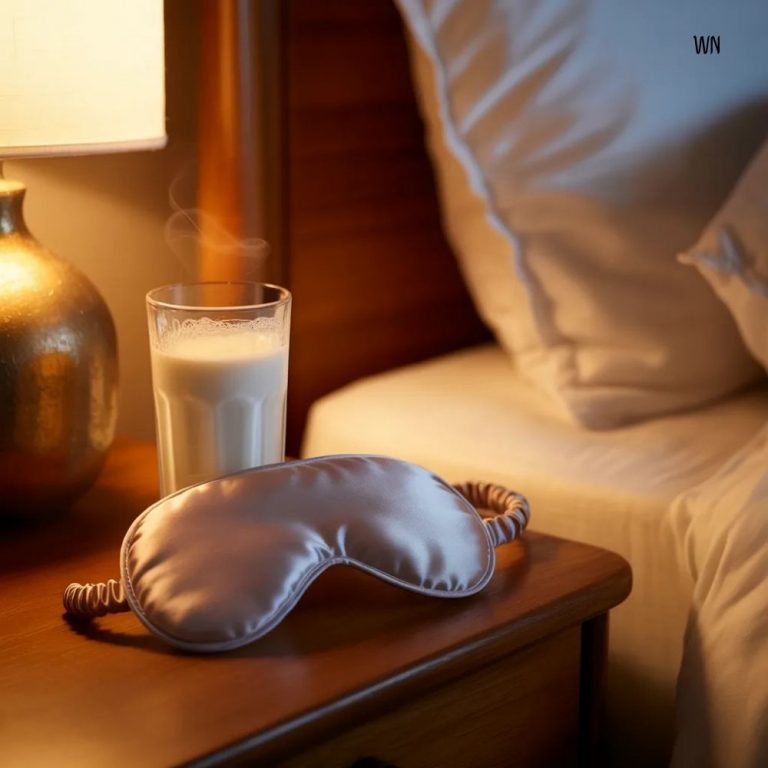
A Simple Morning Habit That Can Support Healthier Blood Pressure
High blood pressure is often discussed in serious, clinical terms, but in everyday life, it usually develops quietly. Many people feel “mostly fine,” go about their routines, and only discover an issue during a routine checkup. That is why we want to start this conversation gently, not with fear, but with awareness and care. When…
High blood pressure is often discussed in serious, clinical terms, but in everyday life, it usually develops quietly. Many people feel “mostly fine,” go about their routines, and only discover an issue during a routine checkup.
That is why we want to start this conversation gently, not with fear, but with awareness and care. When it comes to blood pressure, small daily habits often matter more than dramatic changes, and mornings play a bigger role than most of us realize.
We want to share one simple morning habit that can support healthier blood pressure over time. It is a practical, realistic adjustment that many people can adopt without stress or expense. Most importantly, it fits naturally into real life, which makes it easier to maintain.
Before we get into the habit itself, let’s take a moment to understand why mornings are so important for blood pressure and how subtle choices early in the day can influence how your body responds to stress, movement, and food.
Why Blood Pressure Often Rises Without Warning
Blood pressure reflects how hard your heart works to move blood through your body. It is influenced by many factors, including stress levels, sleep quality, hydration, physical activity, and diet. Because these factors change gradually, blood pressure often rises slowly, without obvious symptoms.
Many adults live busy lives. We wake up already thinking about responsibilities, family, work, and schedules. Our bodies sense this mental pressure even before we leave the bed.
When stress hormones rise early and repeatedly, blood vessels tighten more easily, and blood pressure can remain elevated throughout the day.
This is why what we do shortly after waking up matters more than we might expect. Mornings set the tone for how your nervous system behaves for hours afterward.
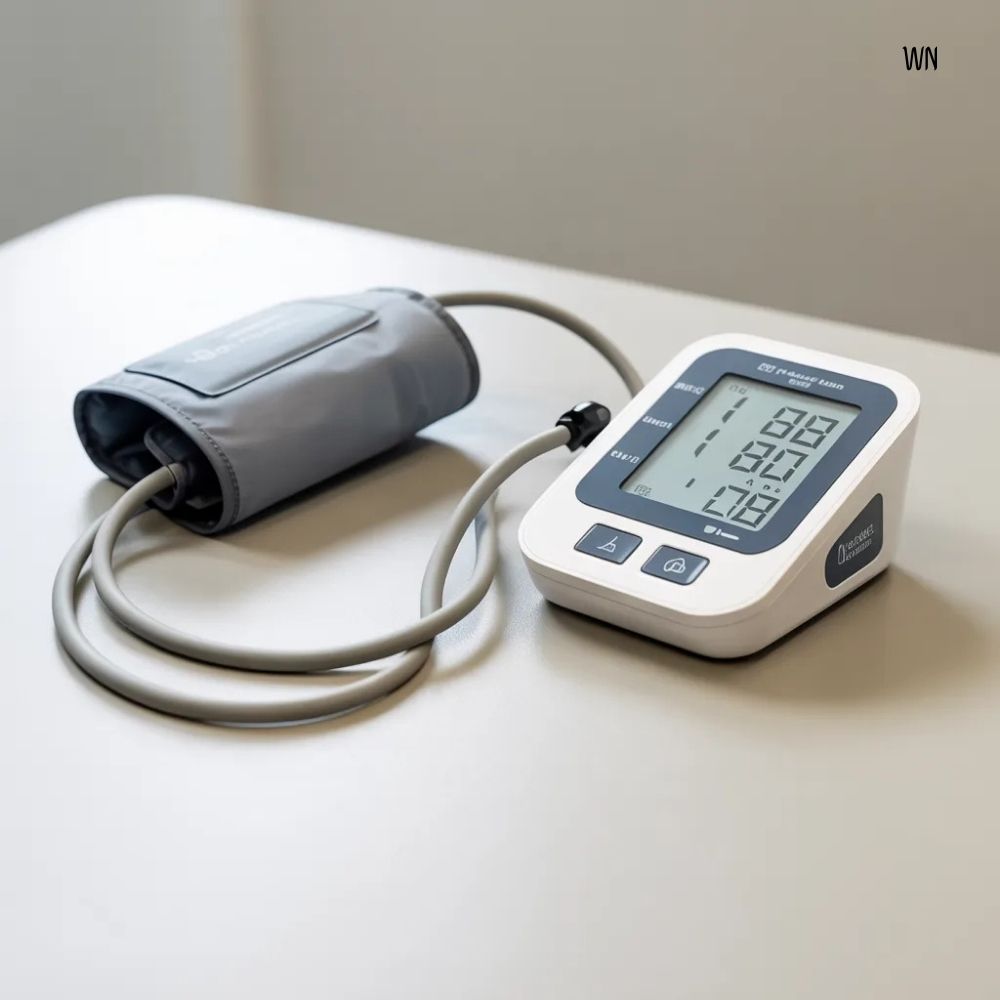
The Morning Habit We Want You to Focus On
The habit is simple: start your day with calm hydration and a few minutes of intentional breathing before rushing into activity.
This means drinking water first, not caffeine, and allowing your body a short pause to settle before the day accelerates. It sounds almost too easy, but this combination supports healthier blood pressure in several meaningful ways.
We are not asking you to wake up earlier than usual or follow a strict routine. This habit can take as little as five to ten minutes. What matters is consistency and intention, not perfection.
Why Hydration Matters Right After Waking Up
When you wake up, your body has gone several hours without water. Mild dehydration is common in the morning, even if you do not feel thirsty. Dehydration can cause blood vessels to narrow slightly, which makes it harder for blood to flow smoothly.
Drinking water in the morning helps restore fluid balance, allowing blood vessels to relax more easily. This can support steadier blood pressure throughout the day.
We recommend starting with a glass of room-temperature water. Cold water can be refreshing, but room temperature water is often gentler on the digestive system and easier for the body to absorb early in the day.
You do not need to add anything special. Plain water is enough. If you enjoy warm water, that works too. The goal is simply to rehydrate your body before introducing stimulants or heavy foods.

Why We Suggest Waiting Before Caffeine
Many people reach for coffee or tea immediately after waking up. Caffeine can raise blood pressure temporarily, especially when consumed on an empty stomach or during periods of stress.
This does not mean you need to eliminate caffeine entirely. It simply means that timing matters.
By drinking water first and giving your body a short calm window, you allow your nervous system to stabilize. When caffeine is introduced later, its effects may feel smoother and less intense.
For many people, waiting even 30 to 60 minutes before the first cup of coffee can make a noticeable difference in how their body feels during the morning.
The Role of Breathing in Blood Pressure Support
Breathing is one of the fastest ways to influence your nervous system. Slow, steady breathing signals safety to the body and helps activate the parasympathetic nervous system, which supports relaxation and recovery.
When breathing is shallow and fast, the body stays in a mild stress state. Over time, this can contribute to consistently higher blood pressure.
After drinking water, we suggest taking a few minutes to breathe intentionally. You can do this sitting on the bed, standing by a window, or even while preparing for the day.
A simple approach is to inhale slowly through your nose, pause briefly, and exhale gently through your mouth. Repeat this for a few minutes, without forcing anything. This practice encourages blood vessels to relax and helps lower early-morning stress signals.

How This Habit Supports Your Body Throughout the Day
This morning habit does more than affect a single moment. It influences how your body responds to stress, food, and movement later in the day.
When hydration is adequate, circulation improves, making it easier for the heart to work efficiently. When breathing is calm, stress hormones decrease, reducing unnecessary blood vessel tension.
Together, these effects help stabilize blood pressure instead of allowing sharp spikes during busy moments. Over time, small daily reductions in stress and vessel constriction can add up to meaningful support for cardiovascular health.
Why Simplicity Matters for Long-Term Health
Many health routines fail because they are too complicated or demanding. We believe the most effective habits are the ones you can maintain even on busy mornings.
This habit does not require special equipment, supplements, or subscriptions. It does not demand extra time that you do not have. It works because it fits into real life.
By focusing on hydration and breathing, you are working with your body instead of against it. This approach respects natural rhythms rather than forcing dramatic changes.
How to Adjust This Habit for Your Lifestyle
Every person’s morning looks different. Parents, shift workers, and caregivers often have limited quiet time. That is okay.
If your mornings are busy, you can still drink water and take a few calm breaths while standing in the kitchen or sitting in the car before starting the engine.
If you enjoy gentle movement, pairing breathing with light stretching can feel supportive. Just keep movements slow and relaxed rather than intense.
The habit should feel supportive, not stressful. If it feels like a burden, it is too much.
When to Seek Medical Advice
We want to be clear that lifestyle habits support health, but they do not replace medical care. If you have been diagnosed with high blood pressure, are experiencing symptoms, or are taking medication, it is important to follow professional guidance.
Think of this habit as a foundation. It supports the body but does not stand alone.
Final Thoughts
Health does not always require dramatic changes. Often, it begins with small, thoughtful adjustments made consistently. By starting your day with hydration and calm breathing, you give your body a chance to begin the day in balance rather than tension.
We encourage you to try this habit for a week or two and simply notice how your body responds. You may feel more steady, less rushed, or more aware of your energy levels. These small signals often indicate that your body appreciates the care.
Supporting healthier blood pressure is not about perfection. It is about creating moments of calm and nourishment in a world that moves quickly. And mornings are one of the best places to begin.