Simple Food Pairings That Help You Feel Satisfied Longer
Many people eat regularly and still feel unsatisfied. You finish a meal, feel briefly full, and then find yourself thinking about food again not long after. This can be confusing, especially when you are choosing foods that are considered healthy. We want to gently reframe this experience. Feeling satisfied is not only about how much…
Many people eat regularly and still feel unsatisfied. You finish a meal, feel briefly full, and then find yourself thinking about food again not long after. This can be confusing, especially when you are choosing foods that are considered healthy.
We want to gently reframe this experience. Feeling satisfied is not only about how much you eat, but about how foods work together in your body. When meals and snacks include the right combinations, your body feels calmer, steadier, and less driven to keep searching for more.
Why Satisfaction Matters More Than Fullness
Fullness is a physical sensation in the stomach, but satisfaction is a broader signal that includes energy, mood, and mental calm. You can feel physically full and still feel unsatisfied if a meal digests too quickly or lacks balance.
When satisfaction is missing, the body continues to send hunger cues. This is not a failure of willpower, but a sign that the body is still looking for nutrients it needs to feel secure.
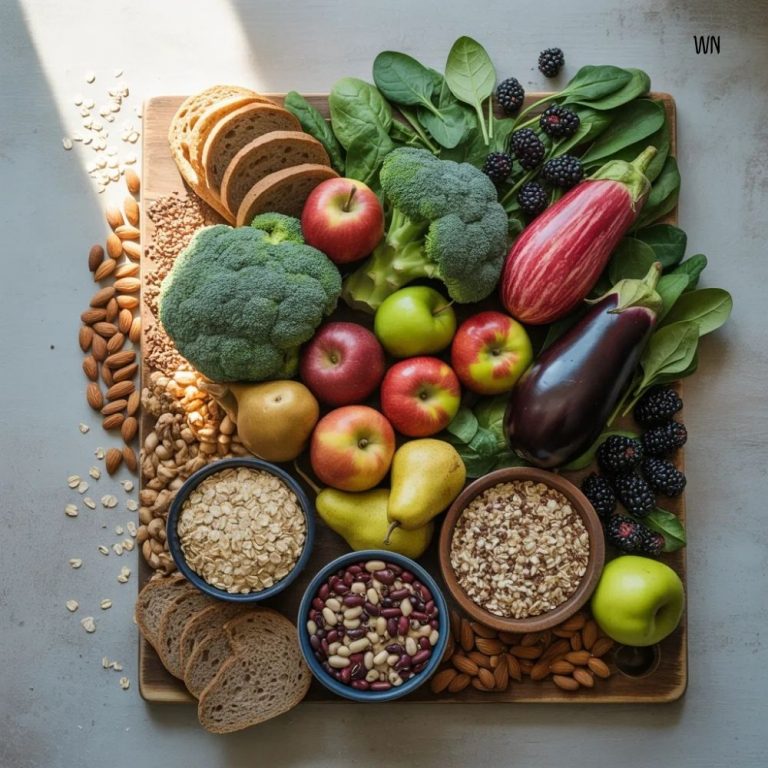
Food pairing simply means eating certain foods together so digestion slows and energy stays stable. Protein, fiber, fat, and carbohydrates each play different roles, and pairing them helps the body process food more efficiently.
When foods are eaten alone, especially refined carbohydrates, they tend to digest quickly. When paired thoughtfully, they stay with you longer and reduce the urge to snack.
Protein and Fiber: A Strong Foundation
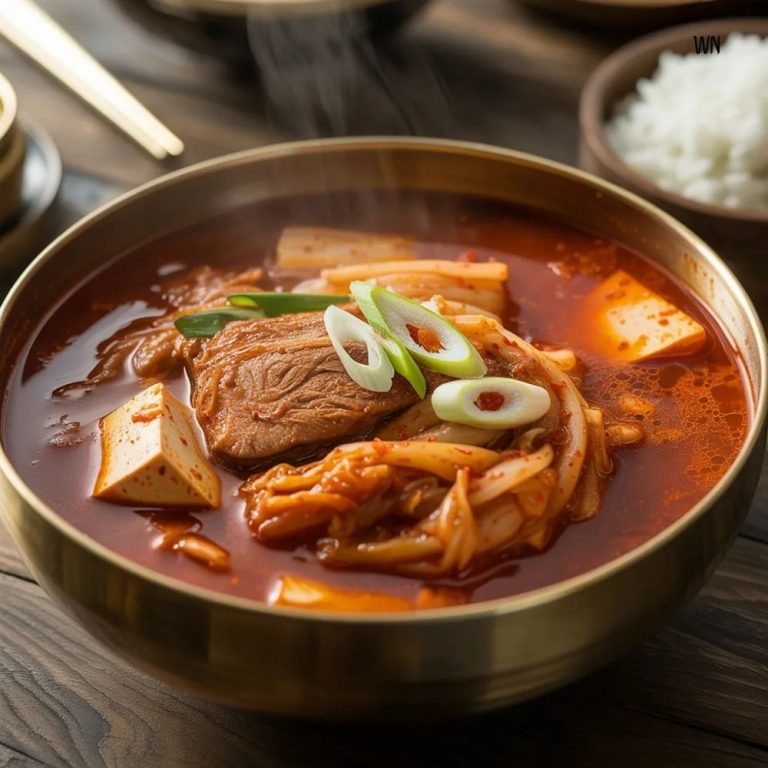
Protein helps regulate appetite hormones, while fiber slows digestion and adds volume. Together, they create meals that feel grounding rather than fleeting.
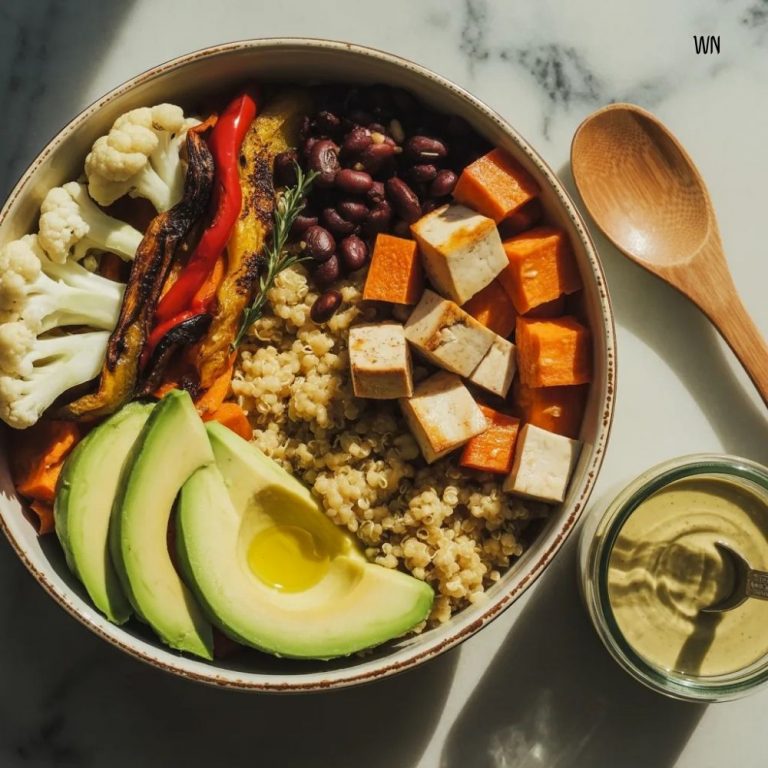
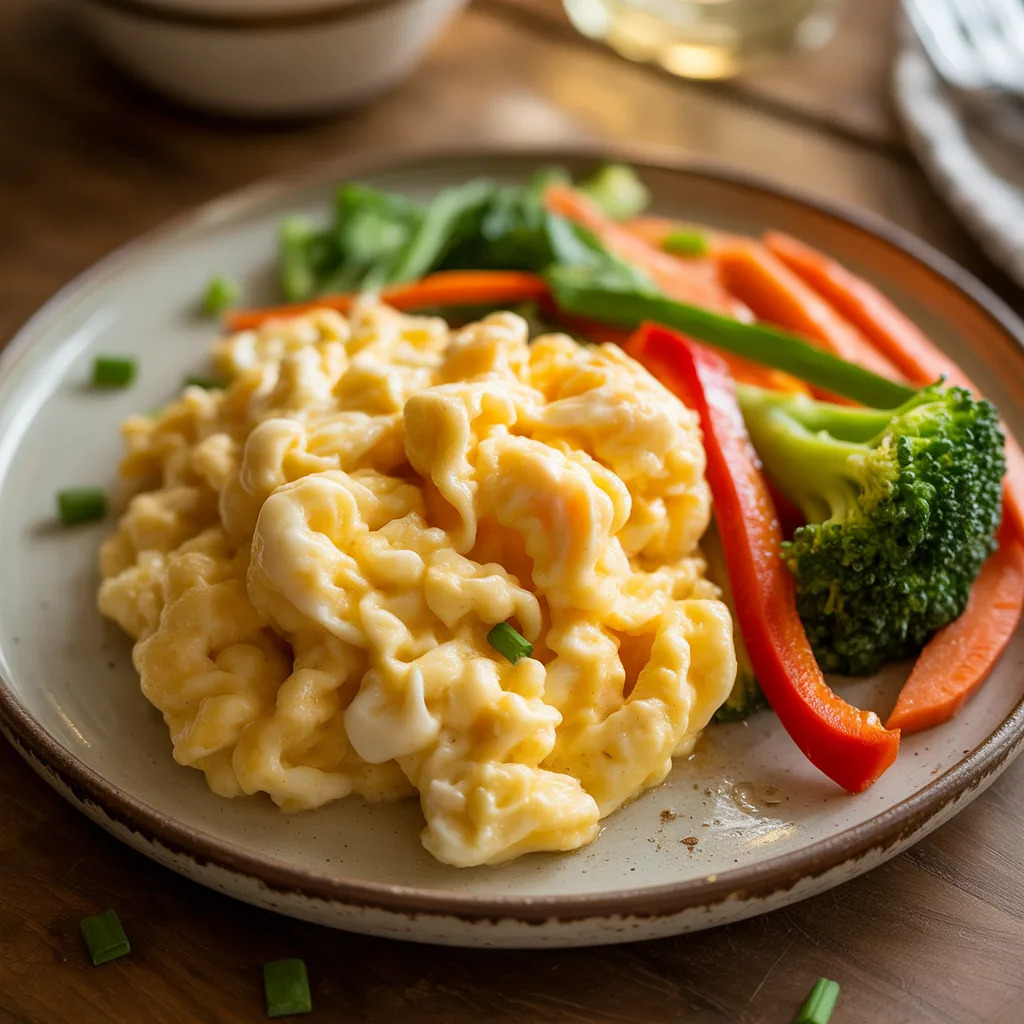
For example, eating eggs with vegetables keeps you satisfied longer than eggs alone. Beans paired with vegetables and grains offer steady energy that lasts through the afternoon. We encourage including both whenever possible, even in small amounts.
Carbohydrates and Protein: Energy Without the Crash
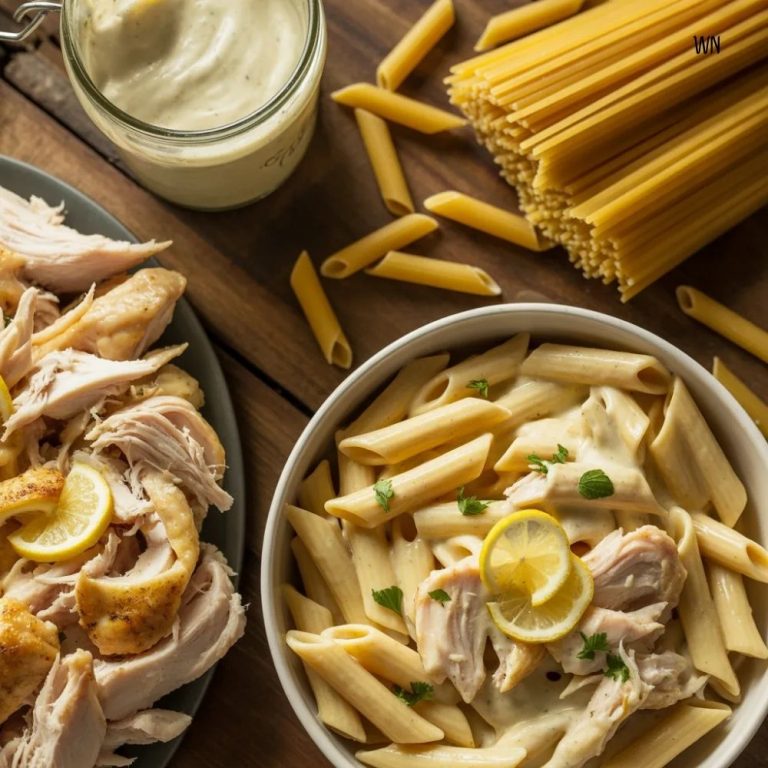
Carbohydrates provide energy, but on their own they often lead to quick hunger. Pairing them with protein helps slow absorption and supports more stable blood sugar.
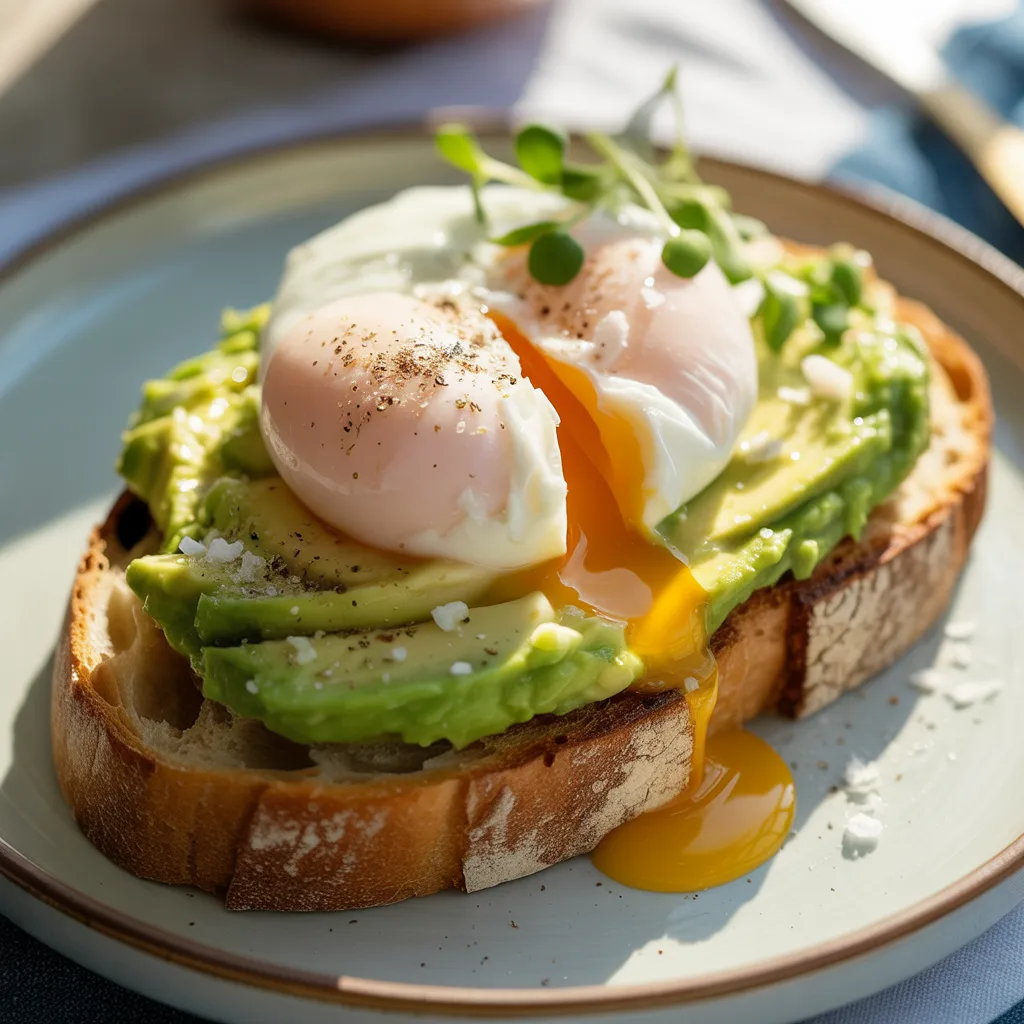
A clear example is fruit with yogurt instead of fruit alone. Toast with eggs feels more satisfying than toast by itself. These combinations allow you to enjoy carbohydrates without feeling depleted soon after.
Healthy Fats and Fiber: Satisfaction and Comfort
Fat plays an important role in satisfaction because it slows digestion and enhances flavor. When paired with fiber, it helps meals feel complete rather than light and fleeting.
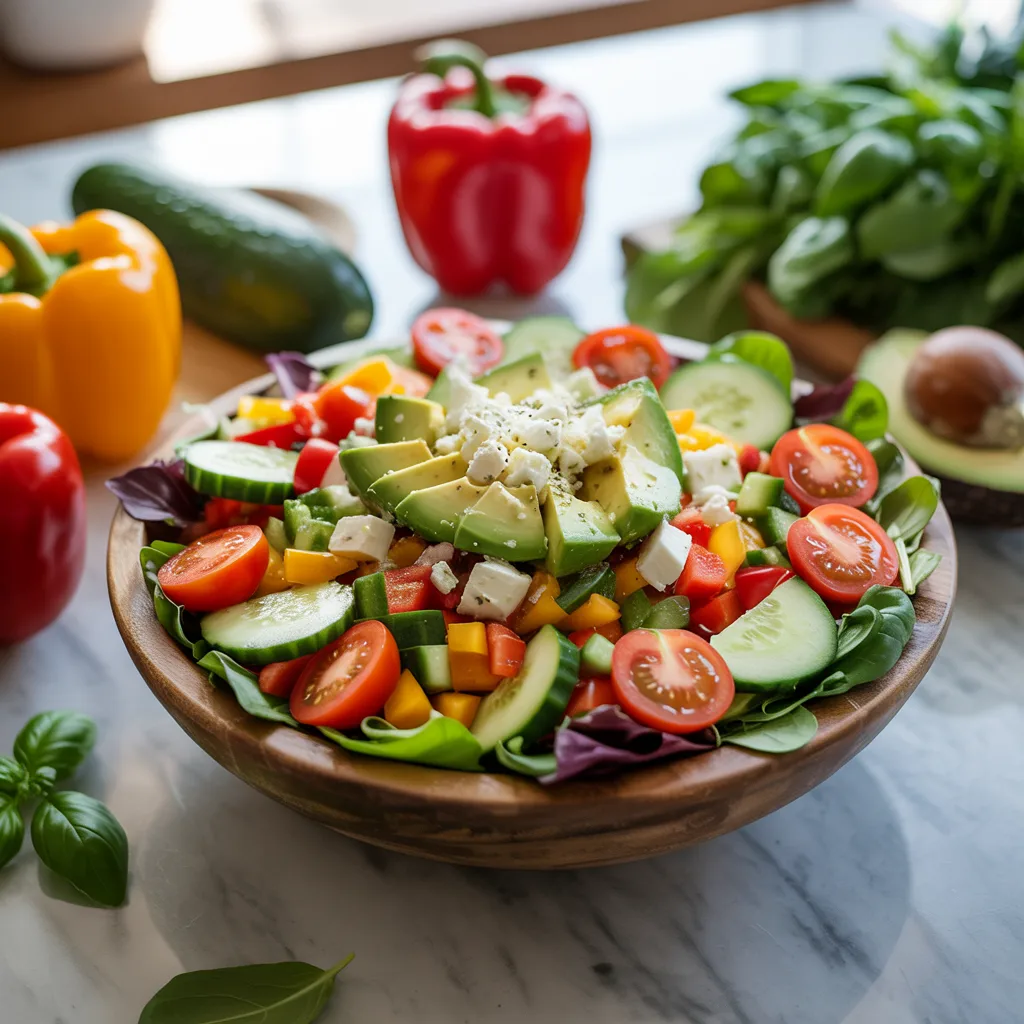
Vegetables drizzled with olive oil feel more filling than plain vegetables. Avocado paired with whole grains supports longer-lasting fullness. We often see people avoid fat and then wonder why meals do not satisfy them.
Fruit and Protein: A Balanced Snack Pairing
Fruit alone is refreshing, but it often digests quickly. Pairing fruit with protein turns it into a more sustaining option.
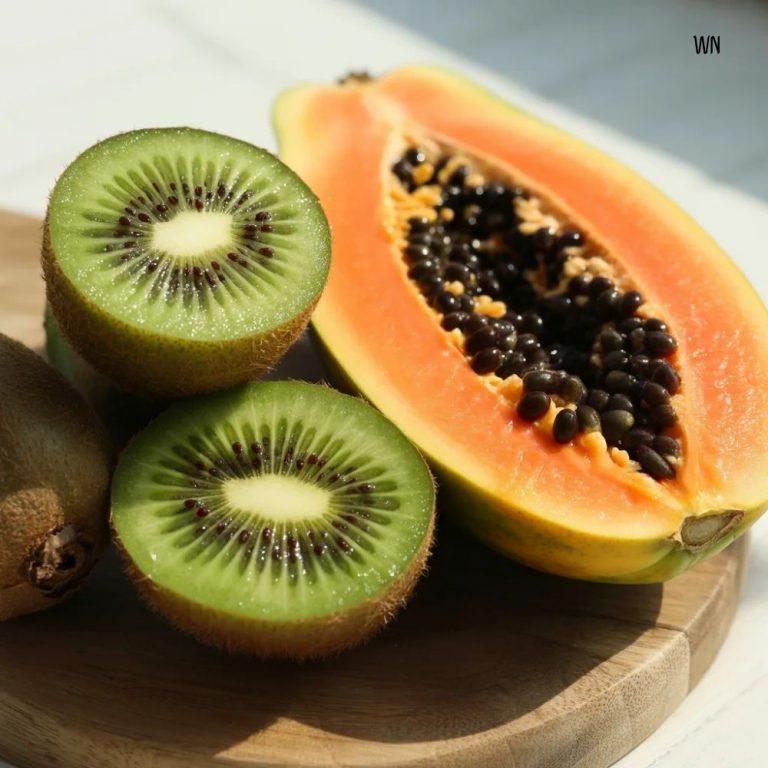
Apples with nut butter, berries with yogurt, or bananas with seeds are simple examples. These pairings provide sweetness while keeping hunger steady. This approach works especially well for mid-morning or afternoon snacks.
Grains and Fat: Slower Digestion, Better Satiety
Whole grains provide energy and fiber, but pairing them with fat helps digestion slow further. This combination supports longer-lasting satisfaction.
Rice with olive oil, oats with seeds, or bread with butter are familiar examples. These pairings help meals feel more substantial without needing large portions. We believe satisfaction often comes from simplicity rather than restriction.
Vegetables and Protein: Light but Filling
Vegetables are rich in fiber and nutrients, but on their own they may not feel satisfying. Adding protein turns them into a complete meal component.
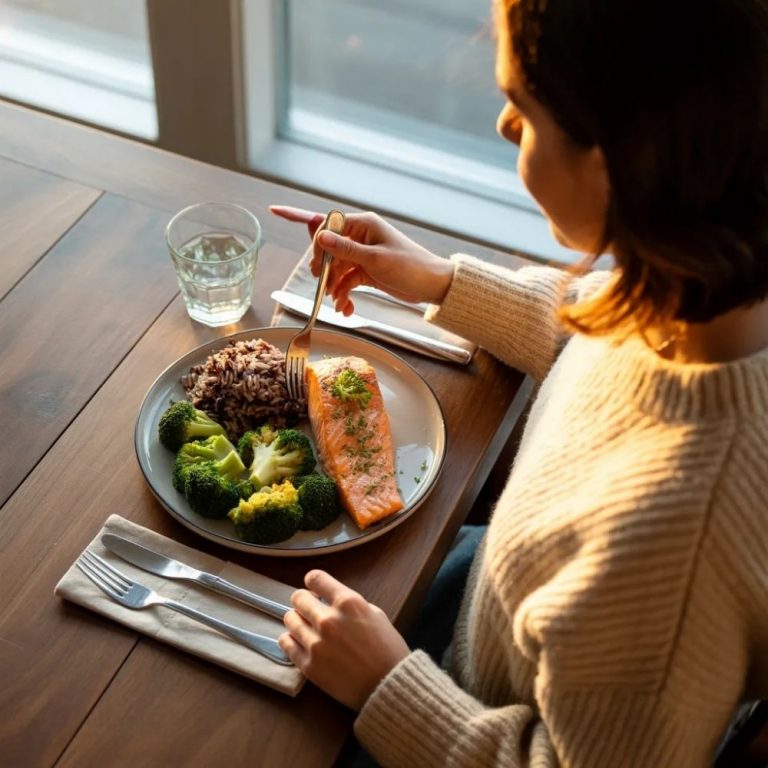
Salads with beans, lentils, eggs, or fish are classic examples. Vegetables paired with protein support fullness while still feeling light and comfortable. This pairing is especially helpful for lunch and dinner.
Why Snacks Often Fail to Satisfy
Many snacks are built around a single nutrient, often carbohydrates. While they provide quick energy, they rarely last.
A plain granola bar, crackers alone, or fruit juice often leads to hunger returning quickly. Pairing those foods with protein or fat transforms them into more satisfying options. We encourage viewing snacks as mini-meals rather than filler.
Common Pairing Mistakes We See
One common mistake is eating foods in isolation because they seem healthy. Another is avoiding fats or proteins due to outdated diet rules.
These choices are often well-intentioned, but they can leave the body feeling undernourished. Satisfaction improves when balance replaces restriction.
You do not need to redesign your entire diet. Simply adding one supporting element to what you already eat often makes a big difference.
If you eat fruit, add protein. If you eat grains, add fat. If you eat vegetables, add both. These small shifts support steadier appetite and fewer cravings.
Listening to Hunger Between Meals
When meals are well-paired, hunger tends to return gradually rather than suddenly. This allows you to eat with intention rather than urgency.
If hunger returns quickly and intensely, it is often a sign that a meal lacked balance. This information helps guide future choices without judgment.
Sometimes dissatisfaction is emotional rather than physical. Stress, boredom, or fatigue can drive the urge to snack.
Balanced meals reduce emotional eating by stabilizing the body first. When physical needs are met, emotional awareness becomes clearer. Food pairing supports both body and mind.
Final Thoughts
Feeling satisfied longer is not about eating more or less. It is about eating wisely, with attention to how foods work together.
By pairing protein, fiber, fats, and carbohydrates thoughtfully, you give your body what it needs to feel steady and calm. We encourage you to start with one simple pairing and observe how you feel.
When satisfaction improves, eating becomes easier and more intuitive. Food becomes support, not distraction, and that shift makes daily life feel noticeably lighter.