How Letting Go of Food Rules Sometimes Can Feel Like Relief
For many of us, food comes with an invisible layer of expectations. There are rules about what counts as healthy, what should be limited, what needs to be balanced, and what must be earned or justified. Even when we’re not actively dieting, these ideas tend to linger in the background, quietly shaping how we eat…
For many of us, food comes with an invisible layer of expectations. There are rules about what counts as healthy, what should be limited, what needs to be balanced, and what must be earned or justified.
Even when we’re not actively dieting, these ideas tend to linger in the background, quietly shaping how we eat and how we feel about eating. Over time, food can become less about nourishment or enjoyment and more about doing it “right.”
We want to explore something simple but often overlooked: sometimes, letting go of food rules can feel like genuine relief. Not relief because anything is being ignored or overindulged, but relief because the constant mental negotiation around food finally softens.
When rules loosen, food often becomes what it was meant to be in the first place, something supportive, satisfying, and grounding.
Food Rules Create Mental Noise We Rarely Question
Food rules don’t usually arrive all at once. They build slowly through advice, trends, cultural messages, and personal experiences. Over time, they turn eating into a series of internal conversations. Is this healthy enough? Did I eat too much earlier? Should I save this for later? Do I deserve this today?
This mental noise can be exhausting. Even when meals look “balanced” on the outside, the internal experience may feel tense or judgment-filled. The body senses that tension. Eating becomes something to manage instead of something to enjoy, which can quietly increase stress rather than reduce it.
Letting go of some of these rules doesn’t mean eating without awareness. It means reducing the constant evaluation that drains energy and takes pleasure out of food.
Comfort Food Isn’t the Enemy We’re Told It Is
Comfort food is often framed as emotional eating gone wrong, something to control or replace. But comfort foods exist for a reason. They tend to be familiar, warm, rich, or nostalgic, qualities that signal safety to the body. When life feels demanding, these foods can offer grounding rather than escape.
The relief people feel when eating comfort food often has less to do with the food itself and more to do with permission. When you allow yourself to eat something comforting without guilt, the experience changes.
The body relaxes, digestion improves, and satisfaction arrives sooner. When guilt is present, the same food can feel heavy or unsatisfying. Comfort food becomes most supportive when it’s eaten with acceptance rather than conflict.
“Guilty Pleasure” Foods Often Carry Emotional Weight
The idea of “guilty pleasure” foods suggests that enjoyment comes with a cost. These foods are labeled as indulgent, even when they’re deeply satisfying and emotionally meaningful. This framing turns pleasure into something suspicious rather than natural.
When you eat these foods while mentally resisting them, the body stays tense. Pleasure is mixed with stress, which can dull satisfaction and increase the urge to keep eating past comfort. When you let go of guilt, the same food often feels complete and enough.
Relief comes not from the food changing, but from the relationship with it softening.
Letting Go of Rules Can Improve How You Listen to Your Body
Strict food rules often override internal cues. You may eat because the rule says you should, or avoid eating because the rule says you shouldn’t. Over time, hunger and fullness signals become less clear, not because the body is broken, but because it hasn’t been allowed to lead.
When rules loosen, the body has room to speak again. Hunger becomes easier to recognize, and satisfaction feels more reliable.
This doesn’t happen instantly, but many people notice that when eating becomes less rigid, they naturally settle into patterns that feel better physically and emotionally. Listening replaces controlling, and that shift can feel surprisingly calming.
A Comfort Meal That’s Meant to Be Enjoyed
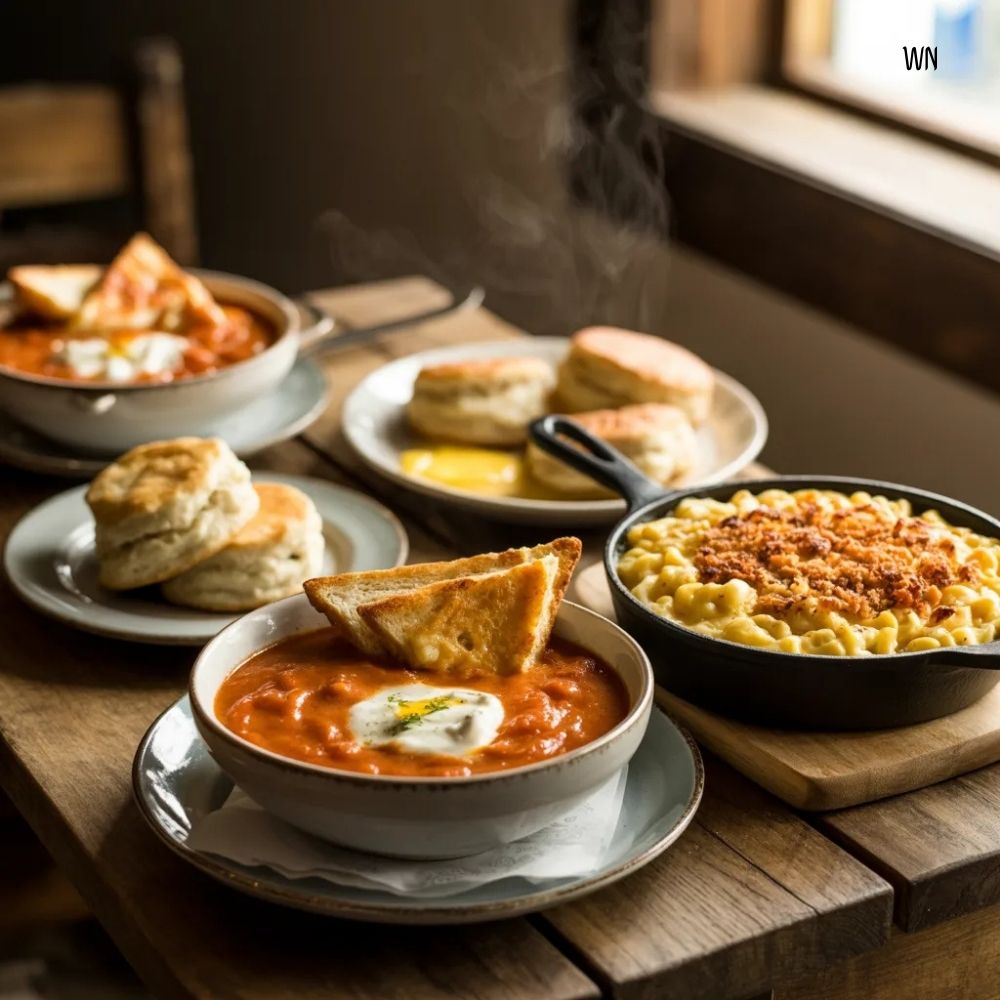
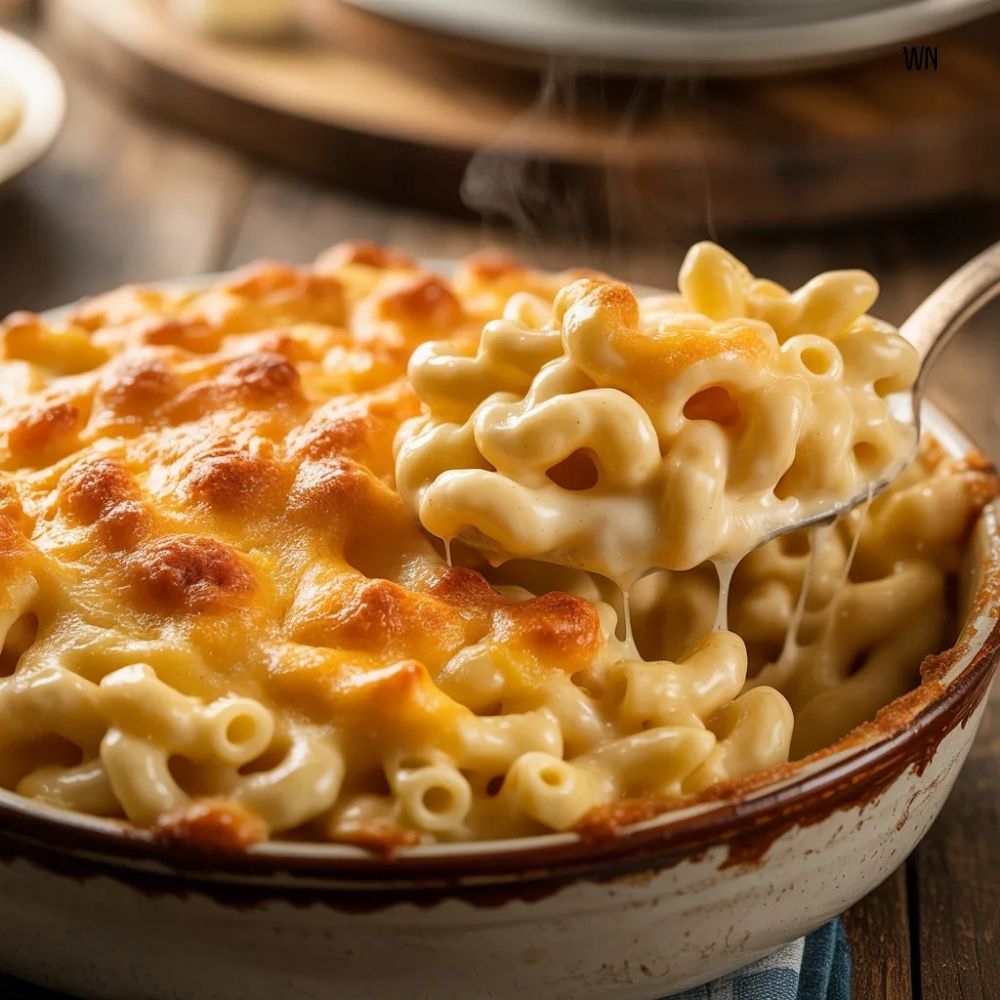
Let’s talk about a comfort meal that many people love and that often gets labeled as a “cheat” or “guilty pleasure”: creamy baked mac and cheese with a crispy top.
You cook pasta until just tender, then fold it into a warm cheese sauce made with butter, milk, and a mix of sharp cheddar and a little mozzarella. The sauce is rich but not heavy, deeply savory, and familiar.
You pour everything into a baking dish, sprinkle breadcrumbs and extra cheese on top, and bake until bubbling and golden.
This dish is comforting because it’s warm, creamy, and deeply satisfying. It’s meant to be eaten slowly, enjoyed fully, and left feeling complete. When eaten without rules attached, it can be far more nourishing emotionally than a “perfect” meal eaten with tension.
Why This Kind of Food Can Actually Support Balance
Meals like this often get blamed for imbalance, but the real issue is usually context. When comfort foods are restricted or moralized, they become emotionally charged. When they’re allowed, they tend to fit naturally into a varied diet without causing chaos.
A satisfying comfort meal can reduce cravings, quiet food noise, and restore trust in eating. That trust supports balance over time far more effectively than strict control ever could.
Many people assume they need better rules to feel better around food. In reality, relief often comes from removing unnecessary pressure. When food choices aren’t constantly judged, eating becomes simpler and more intuitive.
This simplicity frees mental space and reduces stress, which affects digestion, mood, and overall well-being. The body responds well when it’s not being micromanaged.
Letting Go Doesn’t Mean Losing Care
Letting go of food rules doesn’t mean abandoning care for your body. It means choosing care over control. Nourishment includes pleasure, comfort, and emotional ease, not just nutrients.
When food feels supportive rather than regulated, people often eat more consistently, more calmly, and with greater awareness. Care becomes internal instead of enforced.
Feeling at ease around food affects more than meals. It shapes how you experience daily life. When eating is no longer a source of tension, energy is freed for other things. Meals become grounding moments rather than decisions to get through. That relief is not trivial. It’s a meaningful part of feeling well.
Final Thoughts
Letting go of food rules can feel like relief because it allows food to return to its natural role, nourishment, comfort, and connection. Comfort foods and so-called guilty pleasures don’t need justification to belong in a healthy relationship with eating.
We encourage you to notice how different food experiences feel in your body, not how they’re labeled. When eating is guided by care rather than rules, relief often follows naturally, and with it, a calmer, more supportive way of nourishing yourself.