Why Convenience Foods Can Still Fit Into Healthy Eating
For many people, the idea of healthy eating is quietly tied to effort. Meals are expected to be cooked from scratch, thoughtfully planned, and nutritionally balanced at all times, as if health only counts when food preparation looks a certain way. Convenience foods, in contrast, are often framed as something to avoid, tolerate, or apologize…
For many people, the idea of healthy eating is quietly tied to effort. Meals are expected to be cooked from scratch, thoughtfully planned, and nutritionally balanced at all times, as if health only counts when food preparation looks a certain way.
Convenience foods, in contrast, are often framed as something to avoid, tolerate, or apologize for, even when they make daily life easier.
We want to offer a more realistic and supportive perspective. Convenience foods are not the opposite of healthy eating. In many real-life situations, they are what make healthy eating possible. When used thoughtfully, they support consistency, reduce stress, and help you nourish yourself in a way that actually fits into everyday life.
Healthy Eating Works Best When It’s Repeatable
The body does not benefit most from ideal meals eaten occasionally. It benefits from meals that show up reliably, day after day, in a form that feels manageable. When eating requires too much planning or energy, meals are more likely to be skipped, delayed, or replaced with something unsatisfying.
Convenience foods help bridge the gap between intention and action. They make it easier to eat regularly, which supports steady energy, digestion, and mood. This consistency matters far more than whether every ingredient was prepared from scratch.
Food decisions carry a hidden mental cost. Planning, shopping, cooking, and cleaning all draw from the same limited pool of energy you use for the rest of your life. When that pool is low, even good intentions can feel overwhelming.
Convenience foods reduce this friction. They simplify decision-making and remove barriers to eating, especially on busy or low-energy days. When eating feels easier, it becomes more consistent, and that consistency quietly supports health over time.
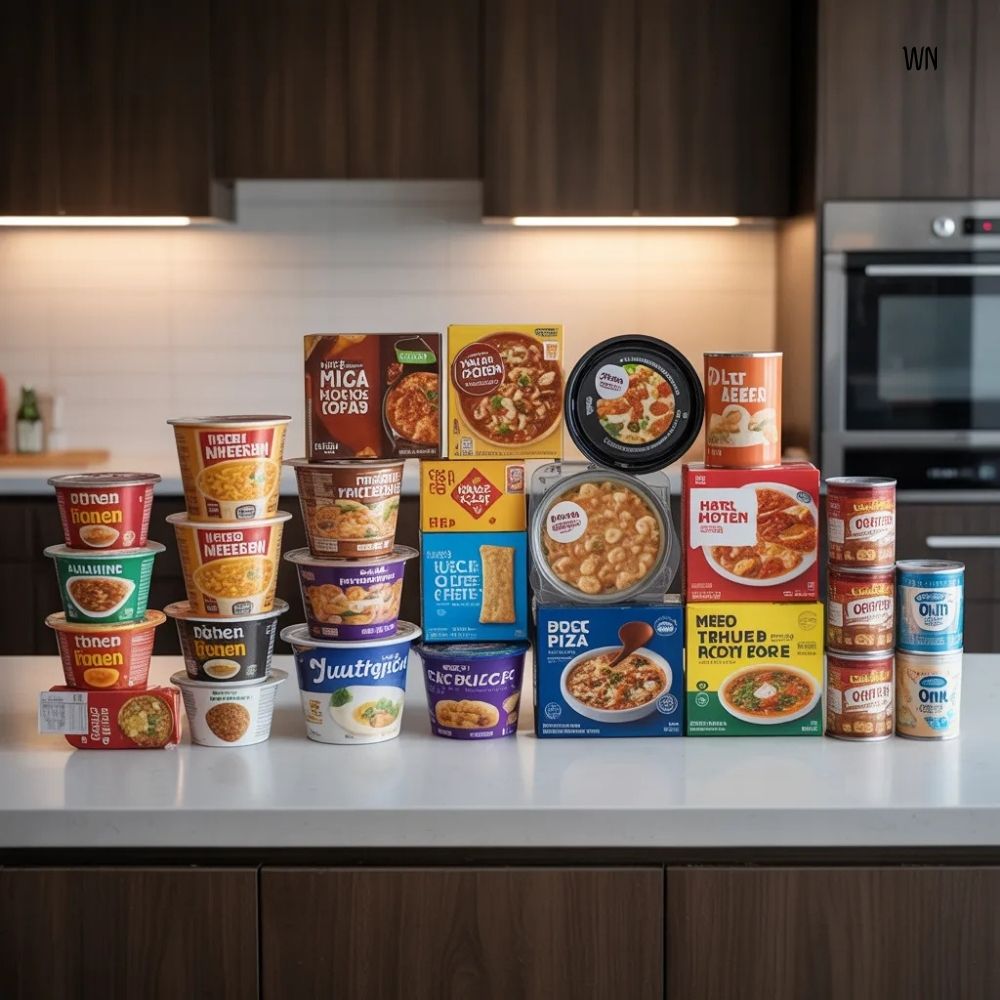
Convenience Foods Are a Broad Category, Not One Thing
The word “convenience” is often used as if it only applies to ultra-processed snacks or fast food. In reality, many nutritious foods fall into this category simply because they save time.
Items like rotisserie chicken, jarred sauces, frozen grains, canned fish, shredded cheese, tortillas, eggs, and yogurt are all convenient without being nutritionally empty.
When we expand our definition of convenience, it becomes easier to build meals that are both satisfying and nourishing. These foods offer a starting point, not a compromise.
Balance Is Easier When Food Is Accessible
Balanced meals require components working together, not effort alone. When protein, carbohydrates, and fats are already accessible, it’s much easier to combine them into something satisfying. Convenience foods often make this balance simpler rather than harder.
Instead of building a meal from nothing, you’re assembling from prepared parts. This reduces effort while still supporting the body’s needs, which is especially important on days when energy is limited.
A Convenience-Based Meal That Actually Tastes Good
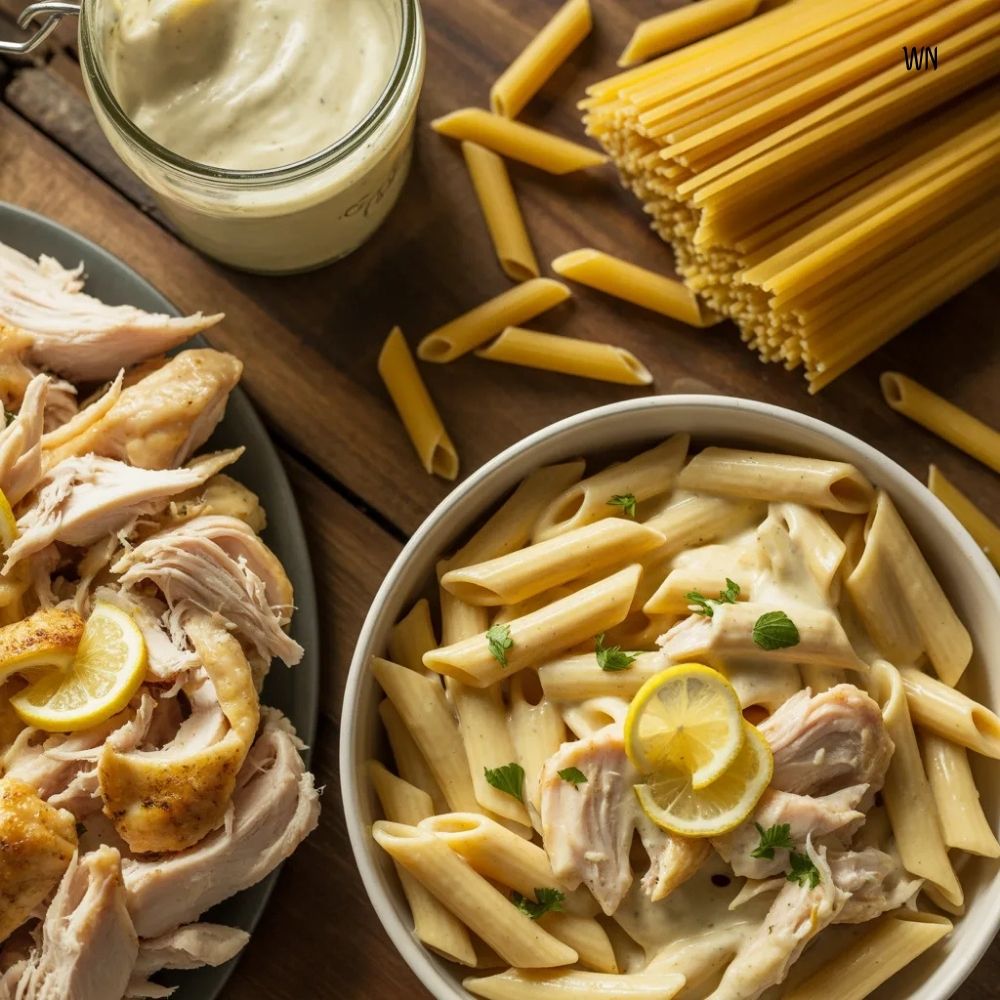
Let’s look at a realistic example that many people genuinely enjoy eating: a creamy lemon chicken pasta made almost entirely from convenience foods.
You start with a store-bought rotisserie chicken, which provides protein without any cooking. You cook dried pasta, which is already a convenient staple, and while it boils, you warm a jarred garlic cream or Alfredo-style sauce in a pan.
You add shredded chicken, a squeeze of lemon juice, black pepper, and a handful of grated Parmesan. If you like, you can toss in frozen peas or spinach at the very end, but the dish stands on its own even without vegetables.
In about fifteen minutes, you have a warm, rich, comforting meal that tastes familiar and satisfying. It contains protein, carbohydrates, fat, and enough energy to actually leave you feeling fed. This is not a “diet” meal, but it supports nourishment, satiety, and consistency, which are core parts of healthy eating.
Why This Meal Supports Health in Real Life
This kind of meal works because it removes barriers. It doesn’t require chopping, complex timing, or special skills. It arrives quickly, tastes good, and meets the body’s need for fuel and satisfaction. That combination matters.
When meals are satisfying, you’re less likely to keep grazing or feeling preoccupied with food afterward. Satisfaction is not indulgence. It’s a signal that the body’s needs were met.
One reason convenience foods are often criticized is the assumption that health and enjoyment are in conflict. In reality, meals that taste good are more likely to be eaten fully, remembered positively, and repeated.
When food is enjoyable, it supports a healthier relationship with eating. You’re more likely to eat regularly, less likely to feel deprived, and more likely to trust your body’s signals. All of this supports well-being over time.
Convenience Foods Support Regular Eating Patterns
Skipping meals or eating erratically often happens not because people don’t care about health, but because food feels like too much work. Convenience foods make regular meals more realistic, especially during busy weeks.
Regular eating supports blood sugar stability, mood, and energy. When meals show up consistently, the body feels safer and more regulated, which affects far more than hunger alone.
Letting Go of Food Guilt Improves Eating Habits
When convenience foods are framed as “bad,” people often eat them with guilt or avoid them until they’re overly hungry. This emotional weight makes eating feel stressful rather than supportive.
Letting go of this guilt allows food to serve its purpose. Convenience foods become tools, not moral choices. That shift alone can make eating feel calmer and more sustainable.
Healthy eating does not happen in ideal conditions. It happens between work, family, fatigue, and real-life demands. Convenience foods acknowledge that reality instead of fighting it.
When food choices fit your life, they’re easier to maintain. That sustainability is what supports health in the long run.
Using convenience foods well doesn’t mean relying on them exclusively. It means allowing them to support you when they make eating easier. Pairing them with familiar flavors, simple additions, or comforting textures often leads to meals you genuinely look forward to.
This approach keeps eating flexible and supportive, rather than rigid or performative.
Final Thoughts
Convenience foods do not disqualify healthy eating. In many cases, they enable it. By reducing stress, supporting regular meals, and making nourishment more accessible, they help you care for your body in a way that actually works day to day.
We encourage you to judge food by how it supports your life, not by how it looks on paper. When eating feels realistic, satisfying, and consistent, health tends to follow naturally, without pressure or perfection.