Five Dishes That Can Gently Support Better Sleep
Sleep problems are rarely caused by just one thing. For many adults, sleep becomes lighter, more fragmented, or harder to access as life gets busier and stress becomes more constant. You may feel tired but wired, ready for rest but unable to fully settle, or you may fall asleep easily only to wake up too…
Sleep problems are rarely caused by just one thing. For many adults, sleep becomes lighter, more fragmented, or harder to access as life gets busier and stress becomes more constant. You may feel tired but wired, ready for rest but unable to fully settle, or you may fall asleep easily only to wake up too early and struggle to drift back.
We often talk about sleep in terms of routines, screens, or stress management, but food plays a quieter role that’s easy to overlook. What you eat in the evening doesn’t force sleep to happen, but it can either support the body’s natural wind-down process or make that process harder.
Certain meals help the nervous system feel safer, blood sugar feel steadier, and the body feel less alert at bedtime, which can make sleep come more easily.
Why Evening Meals Matter More Than We Think
The body doesn’t fall asleep simply because the day ends. It transitions into sleep through a gradual shift in hormones, body temperature, and nervous system activity.
When this transition is disrupted, sleep can feel shallow or delayed. One common but underappreciated reason is how the body responds to evening hunger, digestion, and blood sugar changes.
Meals that are too light, overly stimulating, or skipped altogether can leave the body slightly on edge. You may not feel hungry in a clear way, but the body still senses instability and responds by staying alert. On the other hand, meals that are grounding, balanced, and familiar can help the body relax, making it easier to move into rest.
This is where certain dishes can be especially supportive. Not because they contain a magic ingredient, but because they work with the body’s rhythms rather than against them.
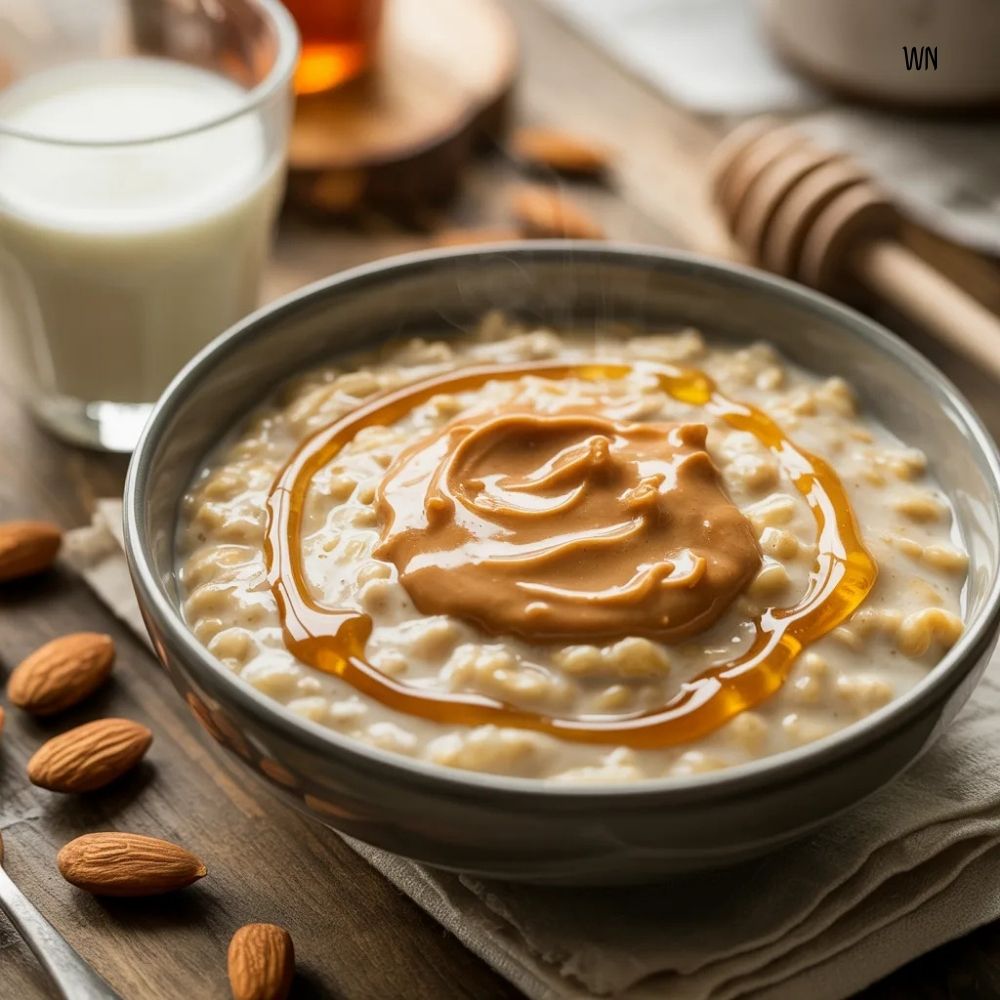
Dish One: Warm Oatmeal With Milk, Honey, and Almond Butter
Oatmeal is often thought of as breakfast food, but as an evening meal or late snack, it can be deeply calming. Oats provide slow-digesting carbohydrates that help stabilize blood sugar through the night, which is important because blood sugar dips can trigger nighttime waking.
When oats are cooked with milk and finished with a spoon of almond butter and a drizzle of honey, the dish becomes more balanced and satisfying.
The warmth signals comfort, the texture is soothing, and the combination of carbohydrates, fat, and protein helps the body feel settled rather than alert. Many people find that this kind of meal reduces that restless, slightly wired feeling that can appear at bedtime.
Dish Two: Baked Salmon With Rice and Olive Oil
Protein-heavy meals late at night can sometimes feel too stimulating, but gentle, well-balanced protein can be supportive when paired with carbohydrates. Baked salmon with plain rice and olive oil is a good example of a dish that nourishes without overwhelming digestion.
Salmon provides nutrients that support nervous system function, while rice offers a steady source of energy that helps prevent nighttime blood sugar drops.
Olive oil adds richness and satiety, helping the meal feel complete rather than light or unsatisfying. This kind of dinner tends to leave the body feeling nourished and calm rather than overly full or hungry an hour later.

Dish Three: Eggs on Toast With Butter and a Little Cheese
Eggs are familiar, comforting, and easy for many people to digest. When served on toast with butter and a small amount of cheese, they create a savory, grounding meal that doesn’t overstimulate the body.
This dish works well in the evening because it combines protein and fat with carbohydrates in a way that supports satiety. It’s warm, familiar, and not overly complex, which matters more than we often realize. Familiar foods tend to feel safer to the nervous system, and safety is an important part of being able to relax into sleep.

Dish Four: Chicken and Potato Soup
There’s a reason soup is often associated with comfort and care. A simple chicken and potato soup, especially when eaten warm in the evening, can be incredibly supportive for sleep.
This dish provides gentle protein, carbohydrates, and fluid, which helps with hydration and digestion. The warmth encourages relaxation, while the soft textures reduce digestive effort. For many people, soup feels nourishing without feeling heavy, making it an ideal option when sleep has been inconsistent or fragile.

Dish Five: Yogurt With Banana, Honey, and Cinnamon
As a lighter evening option or pre-bed snack, yogurt with banana and a little honey can help bridge the gap between dinner and sleep. Yogurt provides protein and fat, banana offers gentle carbohydrates, and the sweetness from honey can help the body feel satisfied.
Cinnamon adds warmth without stimulation, and the overall effect is grounding rather than energizing. This dish is especially helpful if you tend to wake during the night feeling restless or slightly hungry without being fully aware of it.
Why These Dishes Help the Body Wind Down
What all of these dishes have in common is balance and gentleness. None of them are extreme, restrictive, or designed to force sleep. Instead, they help the body feel steady, supported, and safe.
They avoid sharp blood sugar swings, reduce digestive stress, and provide familiar flavors and textures that signal comfort. Over time, meals like these can help retrain the body to associate evenings with settling rather than stimulation.
No single meal will fix sleep overnight. What matters is pattern and consistency. When evening meals regularly support the body rather than challenge it, sleep often improves gradually.
This approach is especially helpful because it doesn’t add pressure. You’re not trying to optimize sleep or control it, just supporting it gently through nourishment.
Listening to Your Own Responses
Everyone responds slightly differently to food, especially in the evening. Some dishes may feel more supportive to you than others. Paying attention to how your body feels an hour or two after eating can offer useful insight without turning food into another rule.
Curiosity works better than control here. The goal is to notice what helps you feel calmer and more settled as bedtime approaches.
Final Thoughts
Sleep problems are complex, but food can be a quiet ally. Certain dishes help the body feel stable, nourished, and safe enough to rest. Not because they promise better sleep, but because they remove some of the barriers that make rest harder.
We encourage you to think of evening meals as part of your wind-down environment. When food supports calm rather than stimulation, sleep often becomes easier to access, one gentle night at a time.