How Food Choices Affect Mood in Subtle Ways
Most of us don’t think of food as something that shapes mood unless it’s very obvious, like feeling irritable when we’re hungry or comforted after a warm meal. Yet food influences how we feel in much quieter, more nuanced ways every day. Not dramatically, not instantly, but through small sensory and physiological signals that gently…
Most of us don’t think of food as something that shapes mood unless it’s very obvious, like feeling irritable when we’re hungry or comforted after a warm meal.
Yet food influences how we feel in much quieter, more nuanced ways every day. Not dramatically, not instantly, but through small sensory and physiological signals that gently shift our emotional state.
We want to explore how different types of flavors and food qualities, like sweet, savory, spicy, or rich foods, can affect mood in subtle but meaningful ways. This isn’t about labeling foods as good or bad, or trying to eat for emotional control. It’s about noticing how the body and mind respond to what you eat, often without you realizing it.
Sweet Foods Often Create Comfort, Then Sensitivity
Sweet foods are usually associated with pleasure, reward, and comfort, and for good reason. Sweetness signals quick energy and safety to the brain, which is why it often feels soothing, especially during stress or fatigue. A sweet taste can soften emotional edges, making you feel temporarily calmer or more content.
However, sweetness can also make the body feel more sensitive afterward, particularly if it’s the main feature of a meal rather than part of something balanced. Energy may rise quickly and then fall, which can subtly affect mood by making emotions feel sharper or patience thinner.
This doesn’t mean sweet foods are a problem, but it helps explain why they often feel best when paired with other elements that slow things down.

Savory Foods Tend to Create Grounding and Satisfaction
Savory foods often have a stabilizing effect on mood. They signal nourishment rather than stimulation, which helps the body settle. Meals that are rich in savory flavors, especially those containing protein and fat, tend to feel grounding and emotionally reassuring.
This grounding quality is why savory meals often feel more satisfying than sweet ones alone. They support a sense of fullness and completion, which can translate into emotional steadiness.
Many people notice that after a savory meal, they feel calmer, less restless, and more emotionally even, even if they can’t quite explain why.
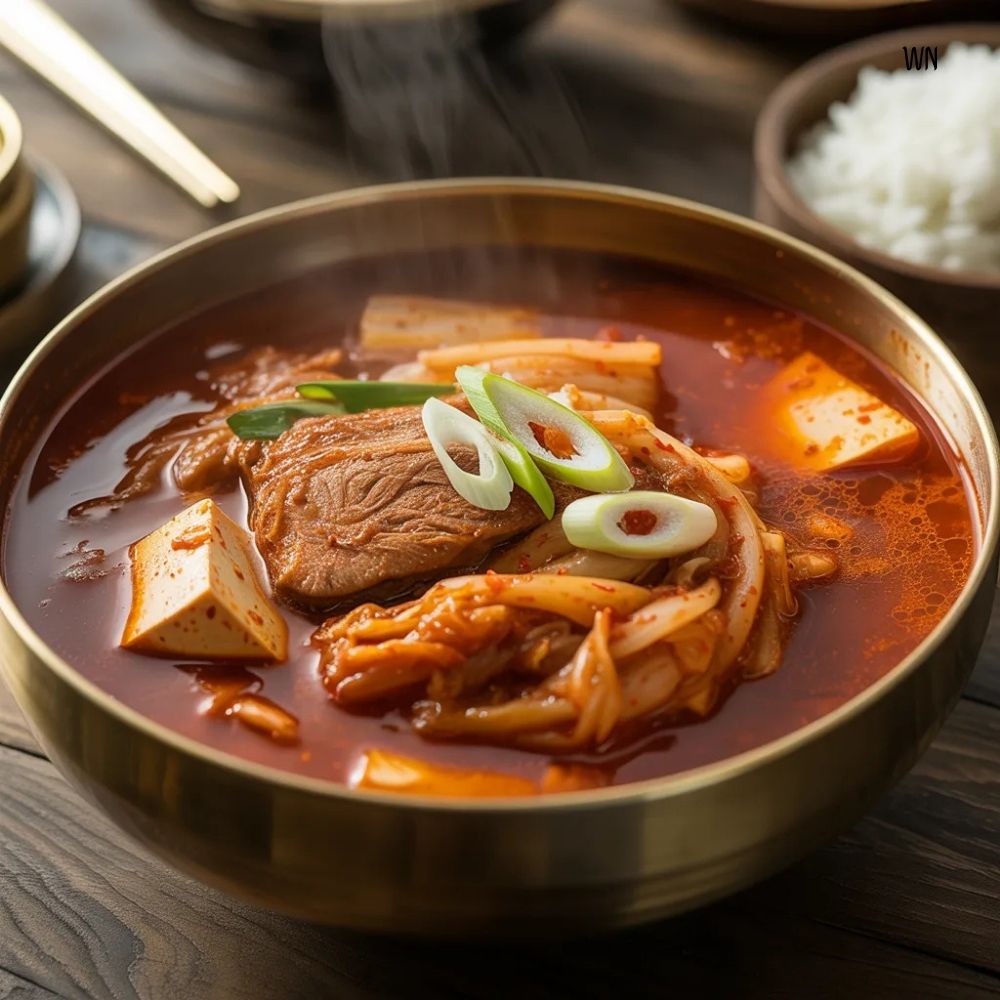
Spicy Foods Can Create Energy and Emotional Lift
Spicy foods interact with the nervous system in a unique way. The heat stimulates sensory receptors, which can increase alertness and create a temporary sense of excitement or emotional lift. For some people, this feels energizing or even mood-boosting.
At the same time, spicy foods can also amplify sensations. When the body is already stressed or tired, that stimulation may feel overwhelming rather than uplifting. This is why spicy foods tend to feel best when energy is stable and the body feels well-supported, rather than when it’s already under strain.
Rich and Creamy Foods Often Signal Safety
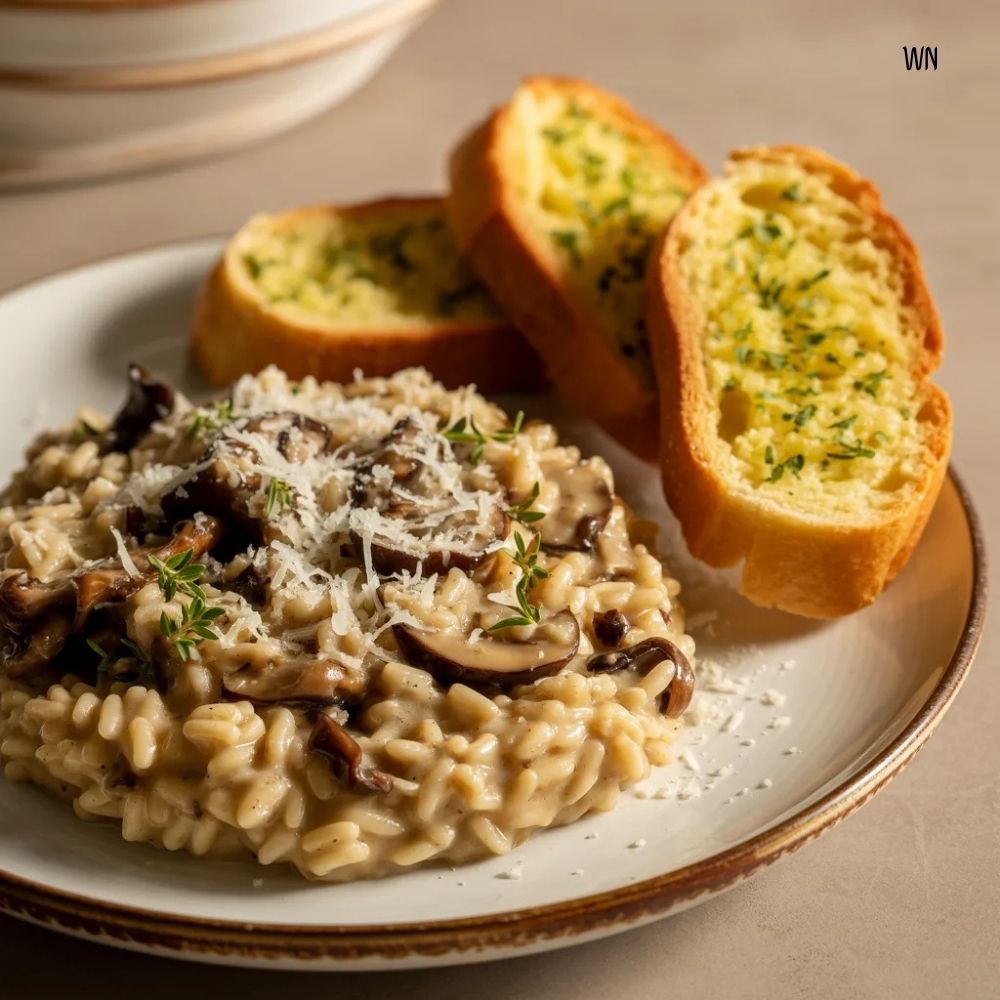
Foods that are creamy, fatty, or rich often create a sense of comfort and safety. These textures slow digestion and provide sustained energy, which can help the nervous system relax. Emotionally, they’re often associated with care and satisfaction rather than excitement.
This is why rich foods are often comforting during emotionally demanding periods. They help reduce the feeling of urgency in the body, making mood feel steadier and less reactive. When eaten mindfully, they can support emotional balance rather than heaviness.
Crunchy and Textured Foods Can Release Tension
Texture plays an underrated role in mood. Crunchy foods, in particular, can help release physical tension. The act of chewing something firm provides sensory feedback that can feel grounding and regulating, especially during stress.
This doesn’t mean crunchy foods calm emotions directly, but they can support a feeling of relief or release. Many people notice that crunchy snacks feel satisfying during moments of restlessness or mental overload, not because of the ingredients alone, but because of the physical experience of eating them.
Warm Foods Often Create Emotional Softness
Temperature matters more than we realize. Warm foods tend to feel soothing, while cold foods often feel refreshing or stimulating. Warm meals signal comfort and care, which can soften emotional edges and promote relaxation.
This is one reason warm foods often feel especially supportive during stressful or emotionally heavy days. They help the body slow down, which naturally affects mood by reducing internal tension.
Balanced Meals Create Emotional Predictability
Meals that include a balance of flavors and nutrients often create the most emotionally stable response. When sweet, savory, fat, and texture are present together, the body doesn’t have to compensate or overreact.
This balance supports steady energy and reduces emotional swings related to hunger or overstimulation. Mood feels less reactive and more predictable, which often shows up as patience, clarity, and emotional resilience throughout the day.
Mood Changes Often Happen Without Awareness
One of the reasons food’s effect on mood feels subtle is that it often happens beneath conscious awareness. You may simply notice that some days feel easier than others without connecting that feeling to what you ate earlier.
Over time, paying gentle attention to these patterns can be informative. Not to control eating, but to understand what supports you best. This awareness builds trust between you and your body rather than rules around food.
It’s important to emphasize that eating with mood in mind doesn’t mean using food to manage emotions. It means recognizing that the body responds emotionally to nourishment, flavors, and textures whether we intend it to or not.
Approaching this with curiosity allows food to remain supportive rather than loaded with expectations. You’re not trying to fix your mood, just noticing what helps it feel more balanced.
Final Thoughts
Food affects mood not through dramatic changes, but through small, cumulative signals that shape how the body feels throughout the day. Sweetness, savoriness, spice, richness, texture, and warmth all play quiet roles in emotional experience.
We encourage you to think of food as part of your emotional environment rather than a tool to manage feelings. When meals feel satisfying, balanced, and aligned with what your body responds to well, mood often follows in gentle, supportive ways without effort or intention at all.