Why Simple Meals Can Sometimes Feel the Most Satisfying
There are days when a complicated, carefully planned meal sounds appealing, but there are also days when something very simple feels exactly right. A bowl of soup, eggs and toast, rice with vegetables, or pasta with a familiar sauce can feel more satisfying than a dish with many ingredients or elaborate preparation. This isn’t just…
There are days when a complicated, carefully planned meal sounds appealing, but there are also days when something very simple feels exactly right.
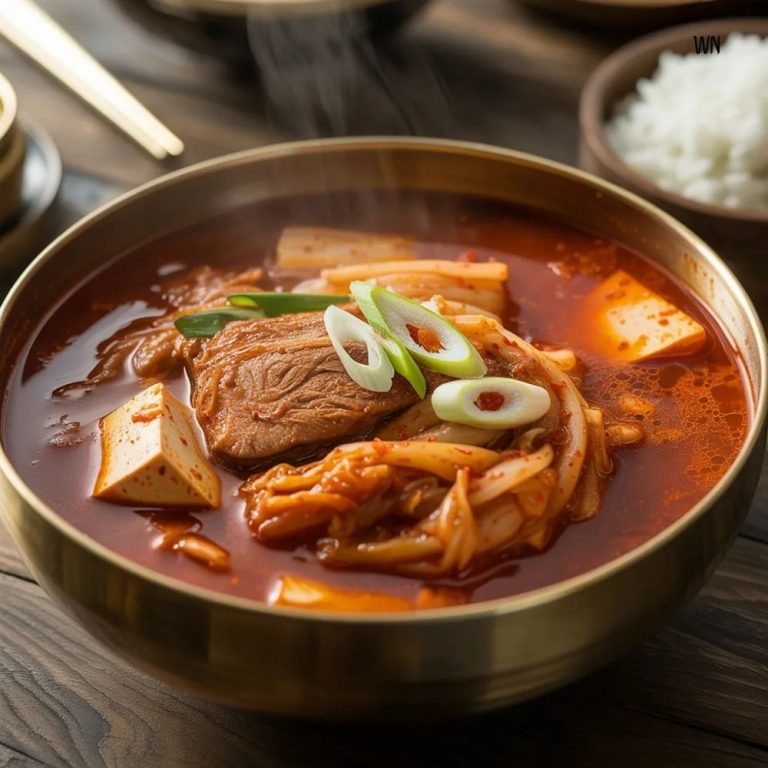
A bowl of soup, eggs and toast, rice with vegetables, or pasta with a familiar sauce can feel more satisfying than a dish with many ingredients or elaborate preparation. This isn’t just about convenience or nostalgia. There is something deeper happening in how we experience simple meals.
We want to explore why simple meals often leave us feeling more settled, both physically and mentally. This has less to do with nutrition rules or effort, and more to do with how the body and mind respond to familiarity, balance, and ease.
Simplicity Reduces Mental Effort Before You Even Eat
One reason simple meals feel satisfying is that they require less mental work. When a meal is familiar, your brain doesn’t have to analyze, evaluate, or adjust expectations. You already know how it tastes, how it will make you feel, and roughly how much you need.
That sense of predictability creates a quiet form of relief. By the time you sit down to eat, your mind is already more relaxed, which makes it easier to notice fullness and enjoyment instead of staying in decision-making mode.
Familiar Foods Create a Sense of Safety
Familiar meals often feel comforting because the body recognizes them. Over time, your system learns which foods feel steady and nourishing, and it responds to that familiarity with calm. This response is subtle, but it influences digestion and satisfaction more than we often realize.
When food feels safe and known, the nervous system relaxes. Eating becomes less about vigilance and more about receiving nourishment, which naturally increases satisfaction.
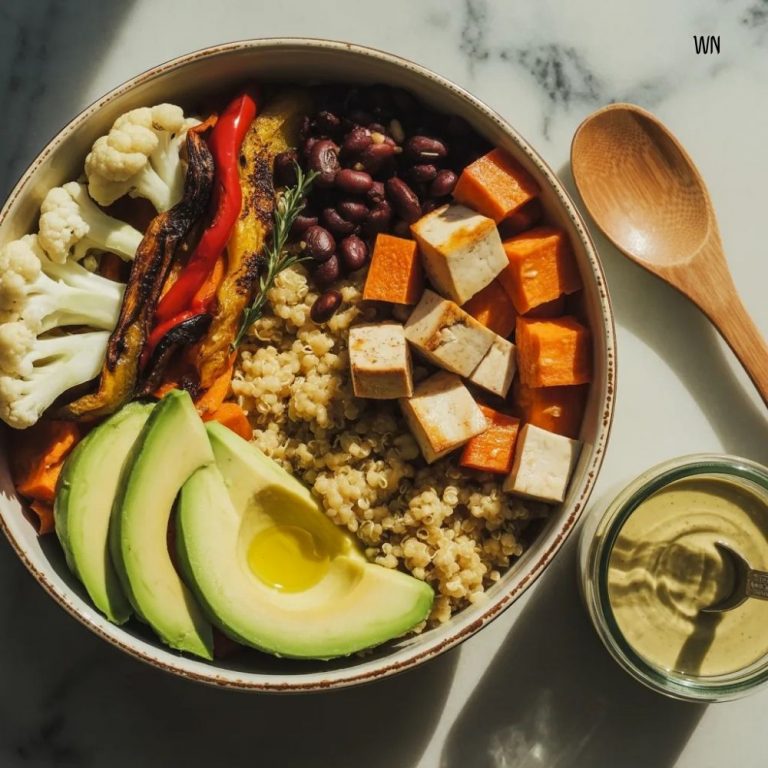
Simple meals tend to include clear, complementary components. A protein, a carbohydrate, some fat, and perhaps a vegetable or fruit. Because fewer elements are competing for attention, the balance is often more intuitive.
This balance helps digestion proceed at a steady pace. When meals digest smoothly, hunger returns gently rather than urgently, and satisfaction lingers longer without effort.

Complexity Can Sometimes Distract From Fullness
When meals are very complex, with many flavors, textures, and ingredients, the brain stays stimulated throughout eating. This stimulation can delay fullness signals, making it harder to recognize when you’ve had enough. You may feel entertained but not necessarily settled.
Simple meals allow the body to focus on nourishment rather than novelty. With fewer sensory distractions, it becomes easier to sense when hunger has been met.
Simpler Meals Support Slower Eating Without Trying
Simple foods are often easier to eat at a natural pace. You’re less likely to rush through them or feel the need to multitask while eating. This naturally supports better communication between the stomach and brain.
Slower eating doesn’t require rules or intention when the meal itself encourages it. Satisfaction improves simply because the body has time to respond.
Simple meals tend to work with daily routines instead of against them. They don’t require special timing, rare ingredients, or extra energy at the end of a long day. This makes eating feel supportive rather than demanding.
When meals fit naturally into your life, they’re less likely to feel like another task. That ease contributes to the sense of satisfaction that lingers after eating.
Comfort Plays a Bigger Role Than We Admit
Comfort is often dismissed as emotional or indulgent, but it plays an important role in how satisfied we feel after eating. Simple meals often carry emotional familiarity, whether from childhood, cultural traditions, or personal habits built over time.
That comfort allows the body to relax into the experience of eating. When food feels grounding, it supports both physical nourishment and emotional well-being.
Simple Meals Make Hunger Signals Clearer
When meals are straightforward, it’s easier to notice how your body responds. You can tell when you’re full, when you’re still hungry, and how long the meal lasts before hunger returns. This clarity builds confidence in listening to your body.
With more complex meals, signals can feel mixed or delayed. Simplicity removes that confusion and supports a more intuitive eating rhythm.
Simple meals aren’t bland or joyless. They often highlight a few well-chosen flavors instead of overwhelming the palate. When food is prepared with care rather than complexity, enjoyment comes from presence rather than novelty.
This kind of enjoyment tends to feel quieter but deeper. It doesn’t demand attention, but it stays with you.

Why Simple Meals Often Feel More Grounding During Stress
During stressful periods, the body seeks stability. Simple meals provide that stability by being predictable and easy to digest. They ask less of your system when it already has a lot to manage.
This is why people naturally gravitate toward simpler foods during busy or emotional times. The body knows what it needs, even if we don’t always recognize it consciously.
There is often pressure to make meals impressive, varied, or nutritionally optimized. While well-intentioned, this pressure can turn eating into a performance rather than a supportive act. Simple meals remove that pressure.
When meals don’t need to prove anything, eating becomes calmer. Satisfaction increases because the experience is about nourishment, not evaluation.
Building a Small Collection of Go-To Meals
Many people find relief in having a handful of simple meals they return to regularly. These meals become anchors in the day, offering consistency and ease. They don’t require much thought, which makes them easier to enjoy.
Having these options doesn’t limit variety. It creates a stable foundation that supports both flexibility and satisfaction.
We often assume that more effort leads to more satisfaction, but food doesn’t always work that way. Satisfaction comes from how well a meal supports your body and mind, not how much time or energy it took to prepare.
Simple meals often succeed because they meet needs without asking for extra effort. That balance is deeply satisfying in a quiet, lasting way.
Final Thoughts
Simple meals feel satisfying because they work with your body rather than challenging it. They reduce mental effort, support digestion, and create a sense of familiarity that allows both the mind and body to relax. When eating feels easy and predictable, satisfaction naturally follows.
We encourage you to notice which simple meals leave you feeling settled and content. Those meals are not a fallback or compromise. Very often, they are exactly what your body is asking for.