Why You’re Hungry Again So Soon After Eating
It’s a familiar and frustrating experience. You finish a meal, push your plate away, and feel reasonably full, only to notice that an hour later, your mind has already drifted back to food. Sometimes it’s a clear physical hunger, and other times it’s more subtle, a restless sense that something is missing even though you’ve…
It’s a familiar and frustrating experience. You finish a meal, push your plate away, and feel reasonably full, only to notice that an hour later, your mind has already drifted back to food.
Sometimes it’s a clear physical hunger, and other times it’s more subtle, a restless sense that something is missing even though you’ve already eaten.
We want to start by saying this clearly: this is not a willpower issue, and it’s rarely about eating “too little.”
Getting hungry again soon after eating is usually your body responding to how that meal was structured, how it was eaten, and what state your system was in at the time. When you understand those signals, hunger becomes much less confusing and far less frustrating.
Hunger Is a Whole-Body Signal, Not Just a Stomach One
Hunger is often described as an empty stomach, but that description leaves out most of what’s actually happening.
Hunger is regulated by a conversation between your brain, hormones, digestive system, and energy needs, all of which are influenced by stress, sleep, and routine. When any part of that system feels unstable, hunger can return quickly even if your stomach technically isn’t empty.
This is why hunger can feel mental as well as physical. Your body may be asking for steadiness, not volume, and when that steadiness isn’t there, the signal it sends is often interpreted simply as “eat again.”
Why Eating “Enough” Doesn’t Always Lead to Satisfaction
Many people eat meals that contain enough calories but still don’t feel settled afterward. That’s because satisfaction depends on balance and timing, not just quantity. When meals digest too quickly or fail to activate fullness signals properly, hunger returns before your body has had time to feel secure.
This often happens with meals that look healthy on paper but lack staying power in real life. The body processes them efficiently, but without enough support to keep energy and appetite stable for long.

Blood Sugar Fluctuations Are a Major Piece of the Puzzle
One of the most common reasons hunger returns quickly is rapid digestion, which leads to blood sugar swings. Meals that are high in refined carbohydrates and low in protein, fiber, or fat tend to break down quickly, causing a brief rise in energy followed by a noticeable drop.
When that drop happens, hunger often feels urgent and distracting. This is not something you can think your way out of. It’s a biological response, and the solution lies in meal composition rather than self-control or distraction.
Protein Sends a Strong “We’re Fed” Signal
Protein plays a central role in appetite regulation because it slows digestion and helps trigger hormones that signal fullness to the brain. When meals are low in protein, the body often treats them as incomplete, even if they were filling at first. Hunger then returns quickly as the system looks for more stable nourishment.
This is especially common at breakfast and lunch, where meals are often lighter or more rushed. Even modest amounts of protein can significantly change how long a meal keeps you satisfied.
Fiber Helps Food Stay With You, Not Just Fill You
Fiber adds structure to meals, slowing digestion and helping food move through the body more gradually. When meals are low in fiber, they tend to feel fleeting, leaving hunger to reappear sooner than expected. This is particularly true when refined grains or processed foods dominate the plate.
Including fiber-rich foods across meals, rather than trying to “make up for it” later, supports steadier appetite signals. The body responds well to consistency, not extremes.
Fat Is Often the Missing Element in Satisfaction
For years, many people were taught to fear fat, which led to meals that were technically nutritious but not deeply satisfying. Fat slows digestion and enhances flavor, both of which help meals feel complete. When fat is missing, the body may keep asking for more food even when the stomach feels full.
This doesn’t mean eating large amounts of fat. It means allowing enough for meals to feel grounding rather than temporary, which often reduces the urge to snack later.
Eating Speed Can Quietly Undermine Fullness
How you eat matters almost as much as what you eat. When meals are eaten quickly or while distracted, the brain doesn’t always register fullness in time. Hunger can return quickly because the body never fully recognized that nourishment had arrived.
Slowing down slightly, chewing a bit more, or eating without multitasking often improves satisfaction without changing the food itself. This isn’t about mindful eating perfection, but about giving your system time to respond.
Stress Changes How Hunger Feels
Stress has a direct effect on digestion and appetite regulation. When the nervous system is under pressure, digestion may speed up or become less efficient, leading to quicker hunger. Stress can also blur the line between physical hunger and the desire for comfort or grounding.
If you notice hunger returning more quickly during stressful periods, that’s not a coincidence. Supporting calm around meals often helps hunger settle in ways that food choices alone cannot.
Meals That Look Healthy but Digest Too Fast
Some meals appear balanced but digest rapidly because they lack enough protein or fat to slow the process. A salad without protein or a smoothie made mostly of fruit may provide nutrients but often doesn’t keep hunger away for long. The body appreciates these foods, but it usually wants them paired with something more substantial.
This doesn’t mean these meals are wrong. It means they work best as part of a more complete combination.
Why Snacking Feels Inevitable When Meals Fall Short
When meals don’t fully satisfy, snacking becomes a way to fill the gap. This can create the feeling of eating all day without ever feeling settled. The issue is not a lack of discipline, but a lack of structure earlier in the day.
When meals are balanced and satisfying, hunger tends to return more gradually. Snacks become a choice rather than a necessity.
Emotional and Physical Hunger Often Overlap
Fatigue, boredom, and emotional strain can amplify hunger signals, especially if physical needs were only partially met earlier. This overlap can make hunger feel confusing or unpredictable. Many people blame themselves for this when it’s actually a very normal response.
Balanced meals help clarify this distinction. When physical hunger is addressed properly, emotional hunger becomes easier to recognize and respond to with care instead of food alone.
A Simple, Real-Life Example
Imagine starting the day with toast and jam. It tastes good and feels filling for a short while, but it digests quickly and provides little protein or fat. Hunger often returns soon, sometimes accompanied by low energy or irritability.
Now imagine that same toast paired with eggs or yogurt. The meal suddenly feels steadier, and hunger returns later and more gently. The difference isn’t restraint or portion size. It’s balance.
Why Restriction Makes Hunger Louder, Not Quieter
Trying to control hunger by eating less or avoiding certain foods often backfires. The body interprets restriction as uncertainty and responds by increasing appetite signals. Hunger becomes louder, not calmer.
Supporting hunger through nourishment rather than control helps the body relax. When it trusts that food is coming regularly and adequately, appetite often becomes more predictable.
How to Build Meals That Keep You Satisfied
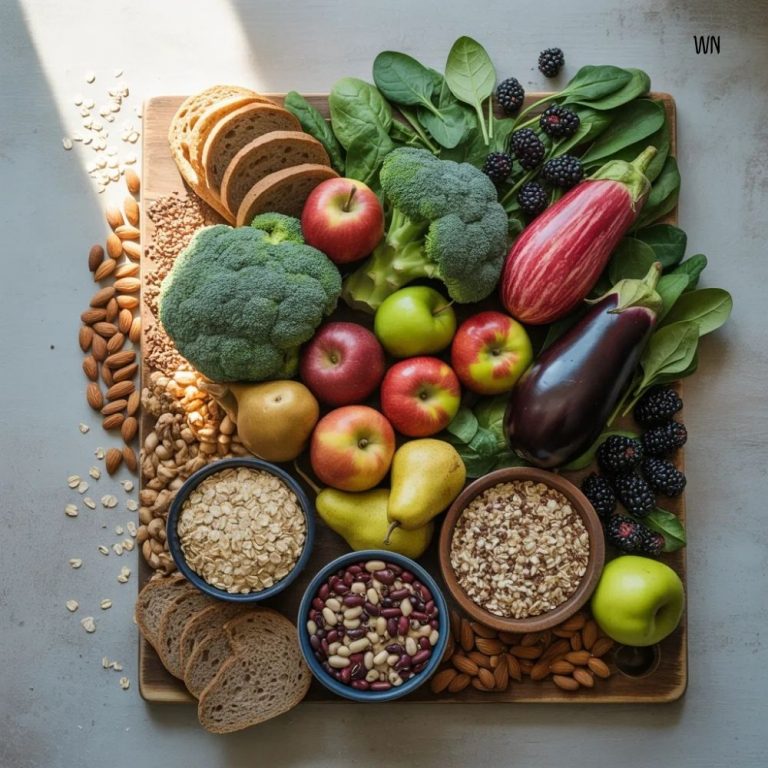
You don’t need a rigid formula, but most satisfying meals include some protein, some fiber, and some fat. This combination slows digestion, stabilizes energy, and sends clearer fullness signals to the brain. Small adjustments often make a bigger difference than complete overhauls.
Adding one missing element to meals you already eat is often enough to notice improvement. The goal is support, not perfection.
One meal doesn’t define your relationship with hunger. What matters is how hunger behaves across days. If you’re consistently hungry soon after eating, that pattern is worth paying attention to.
We encourage curiosity rather than judgment. Hunger is information, not a problem to suppress.
When you understand why hunger returns, it stops feeling like a personal failure. You stop fighting your body and start responding to it. That shift alone often reduces stress around eating.
Over time, meals become calmer and more intuitive. Food supports your day instead of interrupting it.
Final Thoughts
Getting hungry soon after eating is not a sign that you’re doing something wrong. It’s your body communicating that something in the meal or the moment didn’t fully meet its needs. When you respond with balance and care rather than restriction or pressure, hunger often settles naturally.
We encourage you to listen with curiosity instead of frustration. When meals truly satisfy, food fades into the background of your thoughts, and that quiet is often one of the clearest signs that your body finally feels supported.