Simple Ways to Feel More Rested Without Sleeping Longer
Many people assume that feeling more rested always requires more sleep. When tiredness lingers, the first thought is often to go to bed earlier, sleep in longer, or somehow find extra hours of rest. While sleep duration does matter, it is not the only factor that determines how rested you feel. We want to gently…
Many people assume that feeling more rested always requires more sleep. When tiredness lingers, the first thought is often to go to bed earlier, sleep in longer, or somehow find extra hours of rest. While sleep duration does matter, it is not the only factor that determines how rested you feel.
We want to gently explore a different idea. Very often, feeling rested has less to do with how long you sleep and more to do with how well your body recovers throughout the day and night. Small adjustments in routine, environment, and pacing can make a meaningful difference, even if your total sleep time stays the same.
Why “Enough Sleep” Does Not Always Feel Restorative
Many adults technically get enough hours of sleep, yet still wake up feeling tired. This happens because rest is not just about time spent asleep. It is about how calm your nervous system feels, how supported your body is, and how much recovery happens between periods of effort.
When stress remains high or stimulation continues late into the evening, sleep may be lighter and less restorative. You may be asleep, but your body does not fully switch into repair mode, which leaves you feeling unrested the next day.
Feeling rested does not necessarily mean feeling energetic all the time. More often, it means feeling steady, clear-headed, and able to move through the day without constant fatigue. Rest shows up as resilience rather than excitement.
We believe rest is something your body experiences across the entire day, not only at night. Supporting rest means reducing strain and improving recovery in small, consistent ways.

Why Adding More Sleep Is Not Always the Answer
Trying to sleep longer can sometimes create pressure around bedtime. Watching the clock, worrying about hours, or forcing sleep can make it harder for the body to relax.
Instead of focusing only on duration, it often helps more to improve sleep quality and reduce daytime depletion. When the body feels supported during waking hours, sleep tends to become more restorative on its own.
Way 1: Reduce Stimulation in the Last Hour Before Bed
One of the most effective ways to feel more rested is to lower stimulation before sleep. Bright screens, loud sounds, and intense content keep the brain alert even when the body is tired.
We encourage creating a softer transition into the evening. Dimming lights, lowering volume, and choosing calmer activities signal to your nervous system that it is safe to rest, allowing sleep to feel deeper without adding more hours.
Way 2: Create a Predictable Wind-Down Routine
Your body responds well to predictability. When the same gentle actions happen before bed each night, your nervous system begins to associate them with rest.
This routine does not need to be long or elaborate. Even simple habits like washing up, stretching lightly, or reading a few pages can help your body prepare for sleep more effectively.
Way 3: Support Rest During the Day, Not Just at Night
Many people overlook how much daytime stress affects nighttime rest. When the body stays tense all day, it cannot fully recover at night, no matter how long you sleep.
We suggest adding brief rest moments during the day. Short pauses, slow breathing, or quiet walks reduce accumulated tension and make nighttime sleep more restorative without extending it.
Way 4: Eat Regular, Balanced Meals
Irregular eating patterns can quietly disrupt rest. Skipping meals or relying on quick snacks can lead to blood sugar fluctuations that affect energy and sleep quality.
We encourage eating balanced meals at regular times. Stable nourishment supports steadier energy during the day and reduces nighttime restlessness, helping you feel more rested overall.
Way 5: Limit Late-Day Caffeine and Stimulation
Caffeine affects people differently, but even when it does not prevent sleep, it can reduce sleep depth. The body may sleep, but not as deeply as it needs to recover fully.
We suggest paying attention to how your body responds to late-day caffeine. Shifting caffeine earlier or reducing it slightly can improve sleep quality without changing sleep duration.
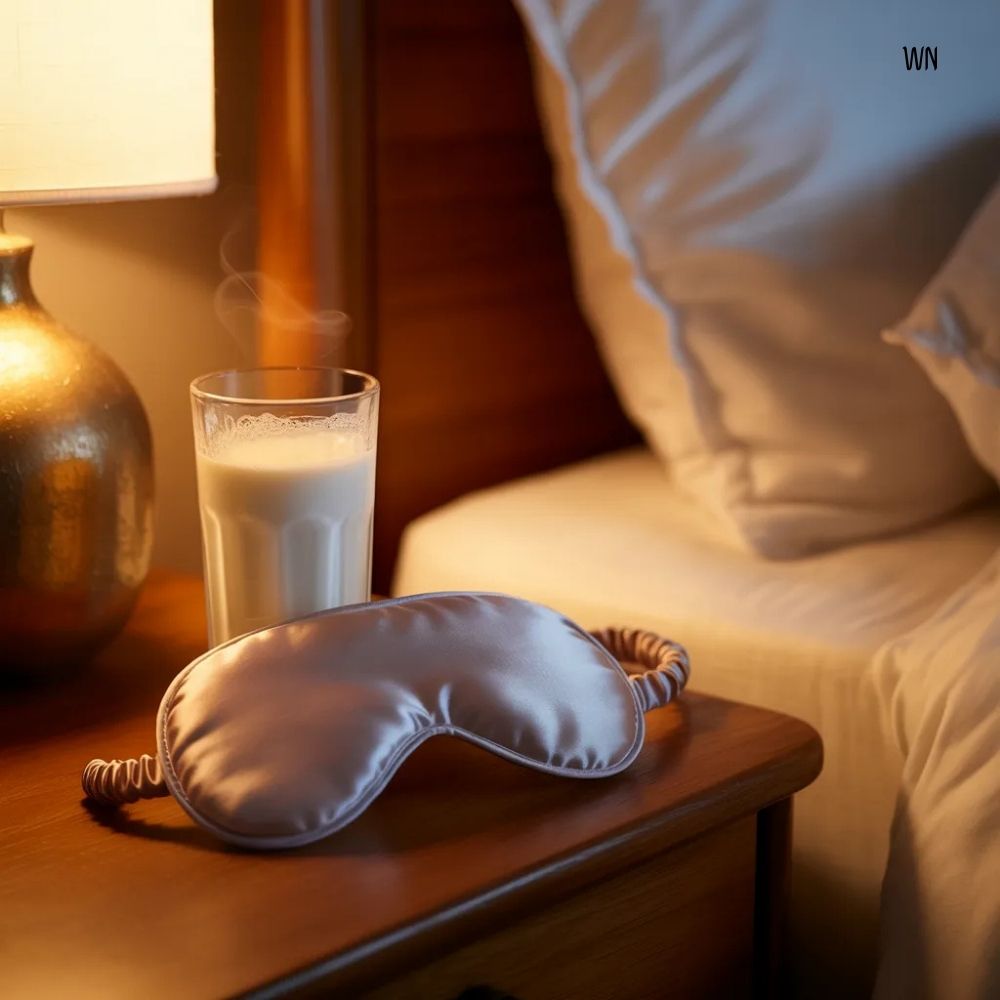
Way 6: Create a Calmer Sleep Environment
Your sleep environment sends constant signals to your nervous system. Light, noise, temperature, and clutter all affect how deeply your body rests.
Small changes such as lowering light levels, reducing background noise, or keeping the bedroom visually simple can support deeper rest. These adjustments help your body relax more fully without adding extra sleep time.
Way 7: Move Gently During the Day
Movement supports rest, but it does not need to be intense. Gentle movement improves circulation, reduces muscle tension, and helps the nervous system regulate.
We encourage walking, stretching, or changing positions throughout the day. When the body releases tension naturally, sleep often becomes more restorative without lasting longer.
Way 8: Reduce Mental Load Before Bed
Mental activity often continues long after physical activity ends. Unfinished thoughts, plans, and worries can keep the brain active during sleep.
Writing things down before bed can help. Making a simple list for tomorrow allows your mind to let go of tracking tasks, creating more space for restful sleep.
Way 9: Wake Up at a Consistent Time
Consistency helps regulate your internal clock. Even when bedtime varies slightly, waking up at a similar time each day supports sleep quality.
We encourage focusing on wake-up time rather than forcing earlier bedtimes. A steady rhythm often leads to deeper sleep and feeling more rested, even with the same number of hours.
Way 10: Allow a Gentler Morning Start
How you begin the day affects how rested you feel overall. Rushing immediately into stress can erase the benefits of sleep quickly.
Creating a calmer morning, even by a few minutes, helps your body transition smoothly. Gentle light, hydration, and slower pacing support a sense of rest that lasts longer into the day.
Common Mistakes That Prevent Feeling Rested
One common mistake is trying to optimize sleep without addressing daytime stress. Another is assuming rest must be earned through exhaustion.
We believe rest works best when it is allowed, not forced. Supporting rest throughout the day makes nighttime sleep more effective naturally.
You do not need to apply all of these ideas at once. Even one or two small changes can noticeably improve how rested you feel.
We suggest choosing the adjustment that feels easiest right now. Practice it consistently for a week and notice how your body responds before adding more.
Final Thoughts
Feeling rested is not only about sleeping longer. It is about reducing strain, improving recovery, and creating conditions where your body can truly rest.
By making small, thoughtful adjustments to your day and evening routines, you can feel more restored without changing how long you sleep. We encourage you to approach rest gently, without pressure or perfection.
Rest is not a reward for doing more. It is a foundation for living well. When you support it consistently, your body often responds with greater ease, clarity, and resilience.