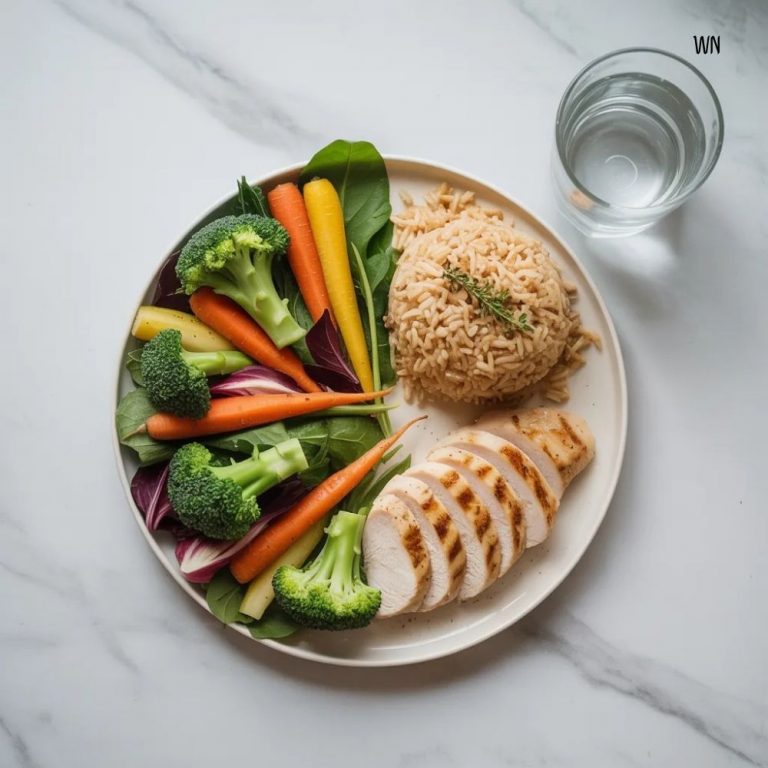
How to Build Actually Delicious, Filling Meals That Don’t Leave You Reaching for Snacks
Many people feel frustrated with meals that look healthy but somehow fail to satisfy. You finish eating, yet an hour later you are thinking about snacks again. This pattern is common, and it often leads to unnecessary grazing, guilt, or the feeling that something is wrong with your self-control. We want to be clear from…
Many people feel frustrated with meals that look healthy but somehow fail to satisfy. You finish eating, yet an hour later you are thinking about snacks again. This pattern is common, and it often leads to unnecessary grazing, guilt, or the feeling that something is wrong with your self-control.
We want to be clear from the start: if your meals leave you reaching for snacks soon after, the problem is rarely willpower. More often, the meal itself was missing something your body genuinely needs. When meals are built thoughtfully, they can be both delicious and filling, without requiring strict rules or constant restraint.
This article will walk you through how to build meals that actually satisfy you. Not just for a few minutes, but for hours. We will focus on simple principles, real-life examples, and habits that fit into everyday life.
Why So Many Meals Feel Unsatisfying
Many modern meals are built around convenience rather than balance. Even meals that appear healthy can be light on the nutrients that create lasting fullness.
Salads without enough protein, bowls heavy on vegetables but low in fats, or quick meals built mostly on refined carbohydrates often digest too quickly. When this happens, your body sends hunger signals again, even if you have eaten enough calories.
We believe fullness is not about eating more food. It is about eating the right combination of foods.
What “Filling” Really Means
A filling meal does not make you feel stuffed or heavy. Instead, it leaves you feeling comfortably satisfied, mentally calm around food, and able to focus on your day without distraction. True fullness comes from a combination of:
- Physical satiety, where your stomach feels content
- Blood sugar stability, where energy stays steady
- Sensory satisfaction, where the meal tastes good
When one of these is missing, the body keeps asking for more.
The Core Building Blocks of a Filling Meal
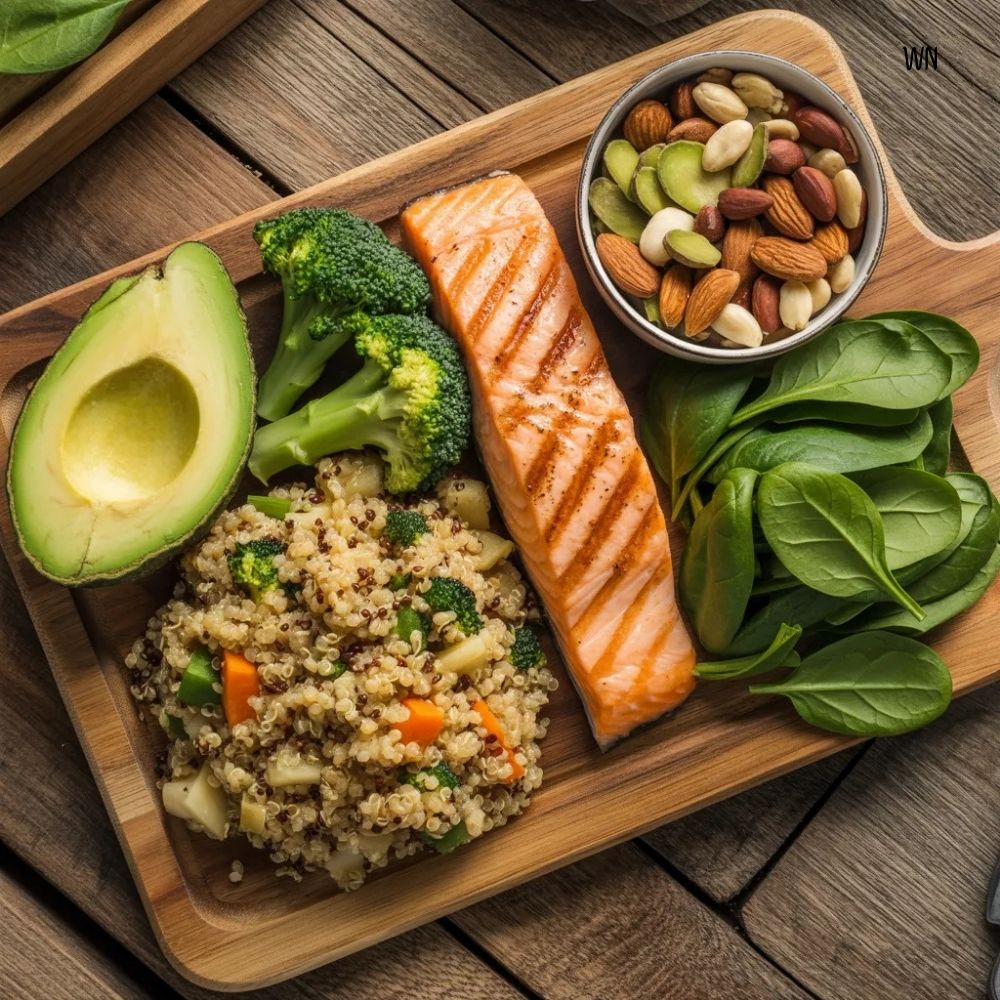
We find that most filling meals share a few simple elements. You do not need to follow a formula rigidly, but understanding these building blocks helps you create meals that work.
Protein for Staying Power
Protein plays a major role in satiety. It slows digestion and supports muscle maintenance, which helps regulate appetite signals.
Meals that lack protein often lead to quick hunger, even if they are large in volume. Adding a reliable protein source gives your body a clear signal that it has been nourished. Examples include eggs, yogurt, beans, lentils, fish, chicken, tofu, or cheese.
Fiber for Volume and Balance
Fiber adds bulk and slows digestion, helping meals feel more substantial without being heavy. It also supports gut health and blood sugar stability.
Fiber-rich foods include vegetables, fruits, whole grains, legumes, nuts, and seeds. We encourage spreading fiber across meals rather than trying to load it all into one dish.
Healthy Fats for Satisfaction
Fat is often misunderstood, but it plays a key role in feeling satisfied after eating. Fats slow digestion and enhance flavor, making meals more enjoyable.
Meals that are very low in fat often leave you feeling mentally unsatisfied, even if you are physically full. Healthy fat sources include olive oil, avocado, nuts, seeds, butter in moderate amounts, and fatty fish.
Carbohydrates for Energy
Carbohydrates provide energy and support brain function. When chosen thoughtfully, they help prevent fatigue and cravings.
The key is pairing carbohydrates with protein and fat rather than eating them alone. Whole grains, starchy vegetables, fruit, and legumes all contribute to balanced meals.
Why Taste Matters More Than You Think
One reason people keep snacking is that their meals are nutritionally adequate but not enjoyable. When a meal lacks flavor or texture, the brain continues to seek satisfaction.
We believe meals should taste good. Seasoning, variety, and cooking methods matter. Adding herbs, spices, salt, acidity, and texture helps meals feel complete. A satisfying meal often reduces the urge to keep eating simply for pleasure.
Common Meal Mistakes That Lead to Snacking
We see a few patterns repeatedly when people struggle with constant snacking. One is eating meals that are too light. Another is relying on “diet” versions of foods that lack fat or protein. A third is skipping meals and trying to compensate later.
These patterns are not failures. They are signals that the body needs more consistent nourishment.
How to Build a Filling Breakfast
Breakfast sets the tone for the day. Meals built mostly around sugar or refined carbohydrates often lead to mid-morning hunger.
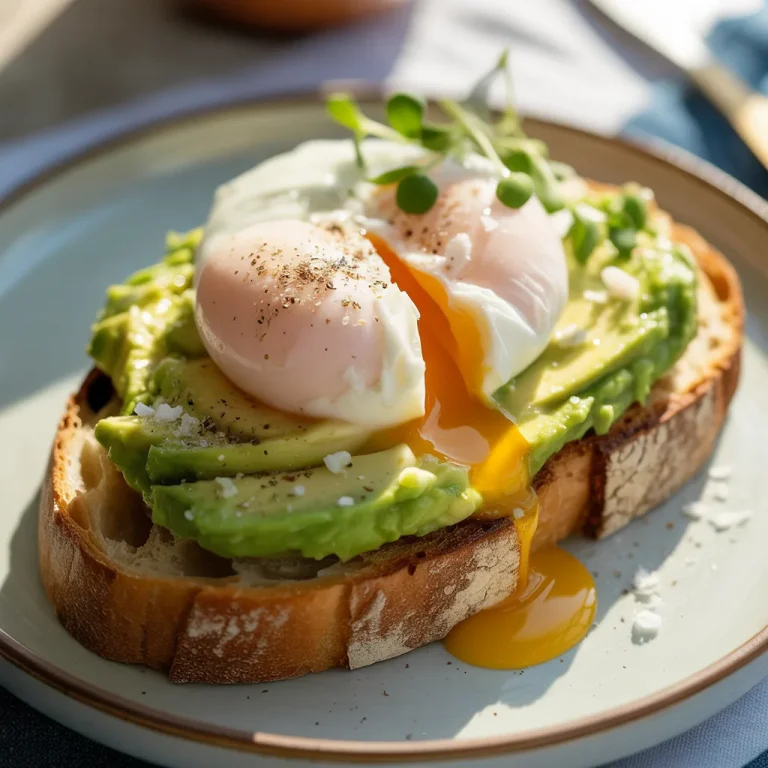
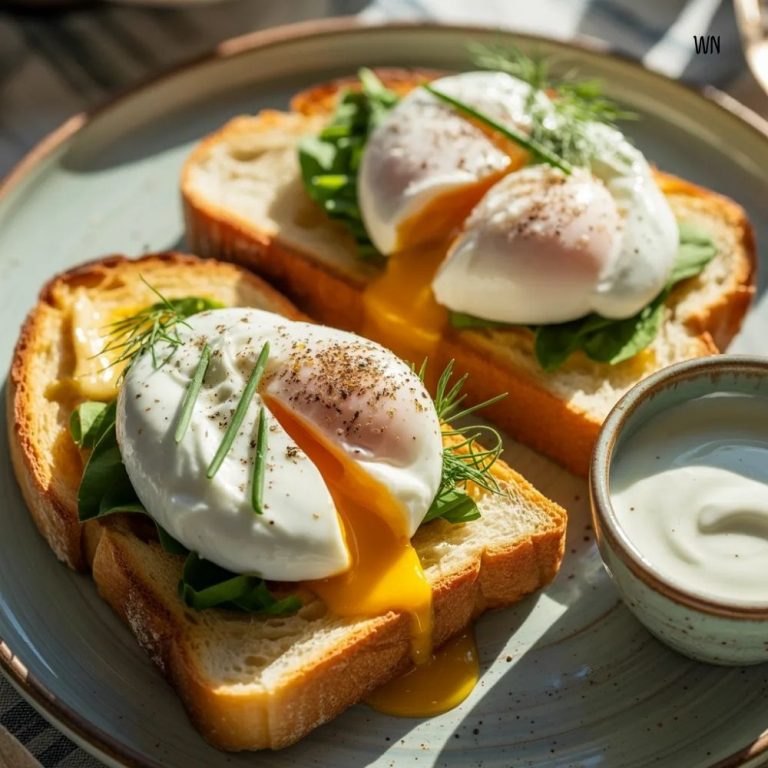
We suggest including protein early in the day. Eggs with vegetables, yogurt with fruit and nuts, or oats paired with seeds and milk are examples of balanced breakfasts. A filling breakfast often reduces the need for frequent snacking later.
How to Build a Filling Lunch
Lunch is often rushed, which makes it easy to under-eat or rely on convenience foods.
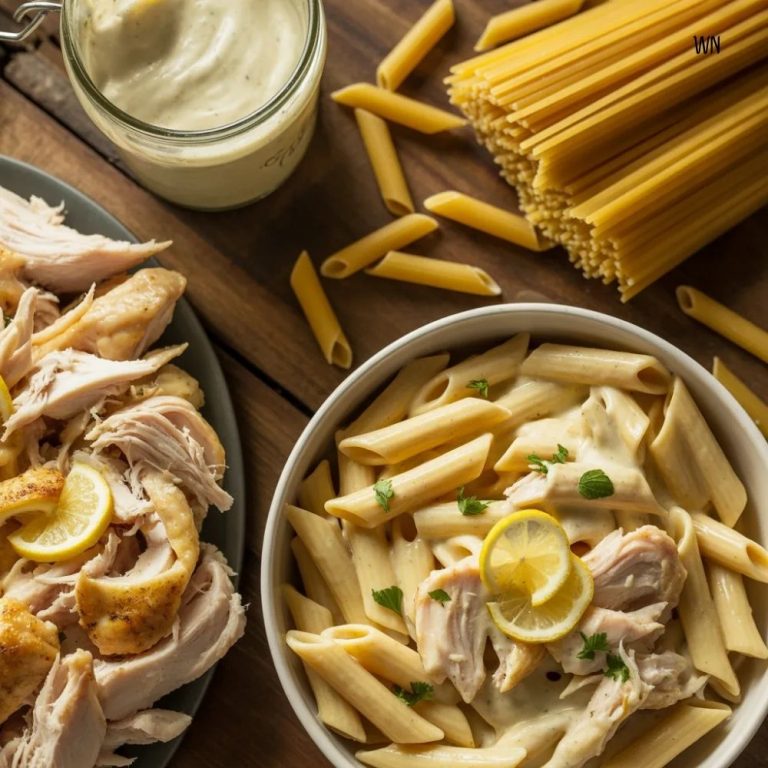
We encourage building lunches that include a clear protein source, fiber-rich vegetables, and some fat. This could look like a grain bowl with beans and olive oil, a sandwich with whole grain bread and protein, or leftovers from dinner. A satisfying lunch supports steady afternoon energy.
How to Build a Filling Dinner
Dinner often carries emotional weight. It is a time to relax, but also a time when cravings can appear if earlier meals were insufficient.
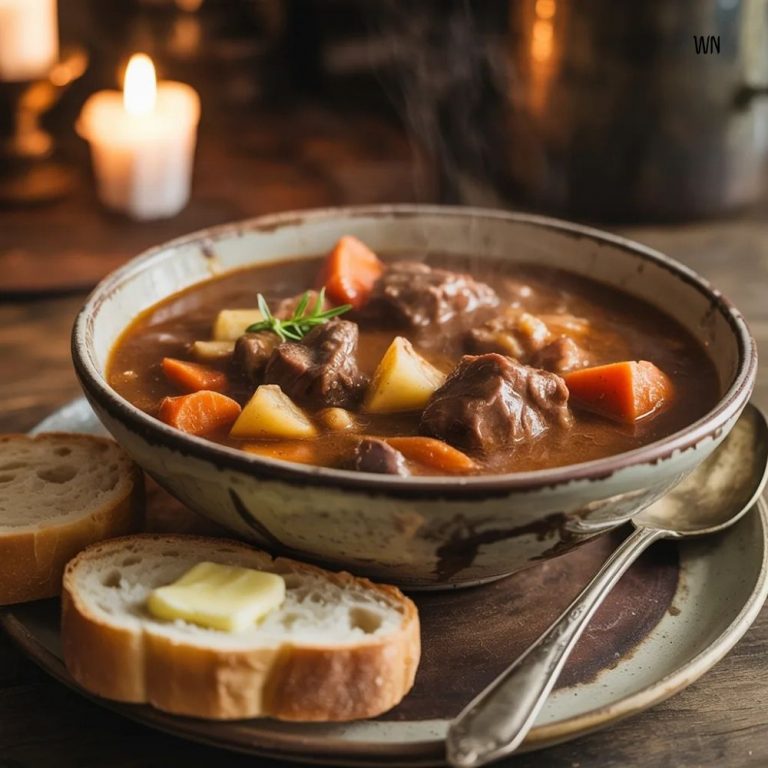
We suggest viewing dinner as nourishment rather than compensation. Including balanced portions of protein, vegetables, and carbohydrates helps prevent late-night snacking. Meals that feel complete reduce the urge to keep eating out of habit.
A Clear Example of a Filling, Delicious Meal
To make this practical, let’s walk through a simple example.
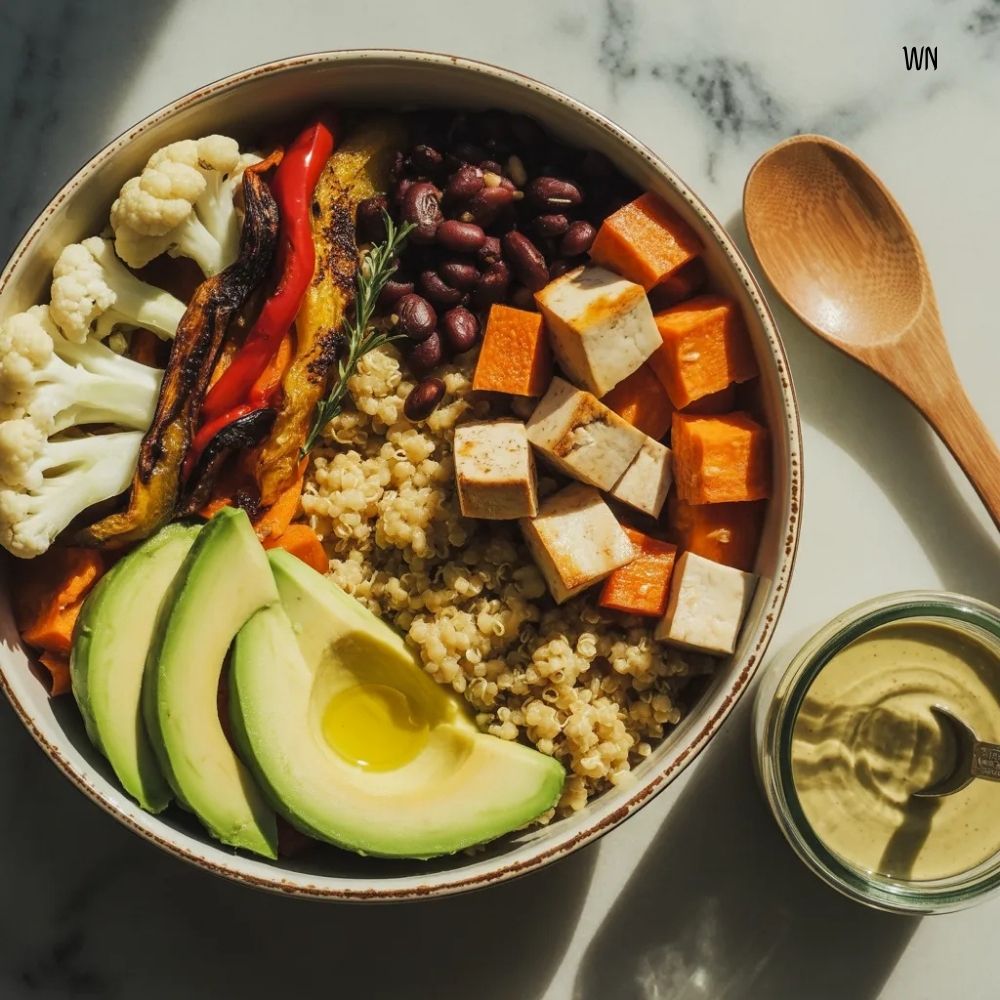
Imagine a bowl that includes:
- Cooked grains such as rice or quinoa
- Roasted vegetables for fiber and flavor
- A protein source like beans, chicken, or tofu
- Olive oil or avocado for fat
- A flavorful dressing or seasoning
This meal works because it combines all the elements your body looks for. It tastes good, digests slowly, and provides steady energy. After a meal like this, most people feel satisfied for several hours.
Why Snacks Are Not the Enemy, but Constant Snacking Is a Clue
Snacks can be useful, especially during long days. However, constant snacking often indicates meals were incomplete.
We encourage viewing snacks as support, not a replacement for balanced meals. When meals are satisfying, snacks become optional rather than necessary.
How to Trust Fullness Again
Many people have lost trust in their hunger and fullness signals after years of dieting or restriction. This makes it harder to recognize when a meal is enough.
We suggest slowing down slightly during meals and checking in with how your body feels halfway through. Comfort and calm are good signs. Rebuilding trust takes time, but balanced meals make it easier.
How to Adjust Without Overthinking
You do not need to overhaul your diet to eat more filling meals. Small adjustments are often enough.
Adding protein to one meal, including fat where it was missing, or increasing portion size slightly can make a noticeable difference. We believe simplicity supports consistency.
If you consistently feel unsatisfied despite balanced meals, professional guidance can be helpful. Persistent hunger or discomfort deserves attention. Listening to your body includes seeking support when needed.
Final Thoughts
Filling meals are not about eating more or less. They are about eating wisely. When meals include protein, fiber, fats, and flavor, your body feels nourished and calm around food.
We encourage you to shift focus away from controlling snacks and toward building meals that truly satisfy you. Over time, the urge to snack often fades naturally.
Food is meant to support your life, not dominate it. When you build meals that are both delicious and filling, eating becomes easier, steadier, and far more enjoyable.