Easy Home Adjustments That Support a Calmer, Healthier Mind
Mental well-being is often discussed in terms of therapy, routines, or mindset, but one important factor is sometimes overlooked: your home environment. The spaces you spend time in quietly influence how your mind feels throughout the day. Noise, light, clutter, and even small visual details all send signals to your nervous system. We want to…
Mental well-being is often discussed in terms of therapy, routines, or mindset, but one important factor is sometimes overlooked: your home environment. The spaces you spend time in quietly influence how your mind feels throughout the day. Noise, light, clutter, and even small visual details all send signals to your nervous system.
We want to show you how simple home adjustments can support a calmer, healthier mind without requiring a major renovation or lifestyle change. These adjustments are practical, realistic, and designed to fit into everyday life. They work not because they are dramatic, but because they reduce unnecessary mental strain and help your brain feel safer and more settled.
You do not need a perfect home to feel calm. You only need a few thoughtful changes that work with how your mind processes its surroundings.
Why Your Home Environment Affects Your Mind
Your brain is constantly scanning your environment for information. When a space feels chaotic, loud, or visually overwhelming, your nervous system stays slightly alert, even when you are trying to rest.
Over time, this background tension can contribute to irritability, mental fatigue, difficulty focusing, or trouble relaxing at the end of the day. On the other hand, environments that feel predictable, comfortable, and gentle help your nervous system shift into a calmer state.
We believe mental calm is often supported by reducing stimulation rather than adding more solutions.
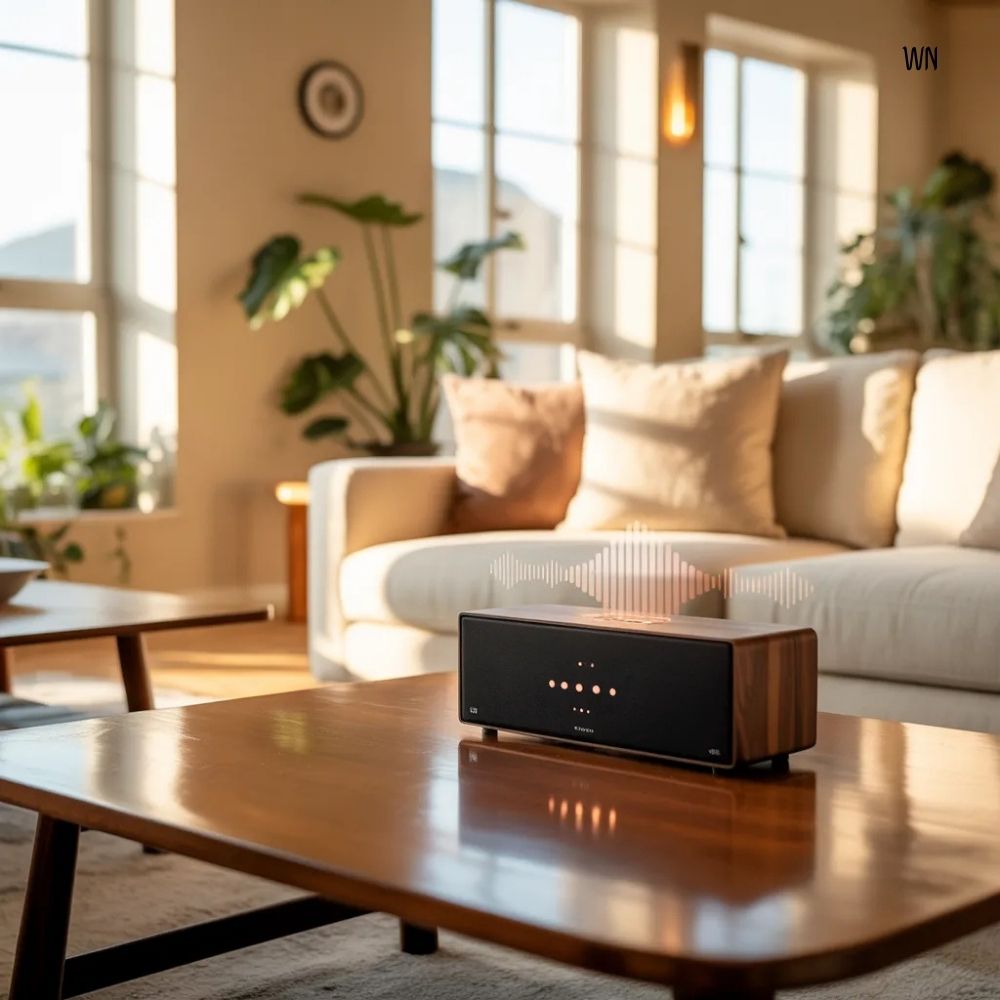
Adjustment 1: Simplify One Visual Area at a Time
Clutter does not need to fill an entire room to affect your mind. Even one crowded surface can quietly demand attention.
Clear Example
Choose one area you see often, such as:
- Your bedside table
- The kitchen counter near the sink
- The desk where you work
Remove everything except what you truly use daily. For example, a bedside table might hold only a lamp, a book, and a glass of water. This small change reduces visual noise and gives your eyes a place to rest.
We suggest starting with just one surface. A calmer mind often begins with calmer sightlines.

Adjustment 2: Soften Lighting in the Evening
Harsh lighting keeps the brain alert. Bright overhead lights, especially in the evening, signal daytime activity even when your body needs to wind down.
Clear Example
After dinner, turn off the main ceiling light and use:
- A table lamp with warm light
- A floor lamp in the corner
- A lower-watt bulb in commonly used rooms
This signals your nervous system that the day is slowing down. Many people notice they feel calmer within minutes, even without changing anything else. We are not suggesting darkness. We are suggesting gentler light that supports rest.
Adjustment 3: Create One Quiet Corner
A calmer mind benefits from having a place that feels emotionally neutral. This does not need to be a full room.
Clear Example
Choose a chair by a window, a corner of the couch, or a small area in your bedroom. Add:
- One comfortable cushion or blanket
- A soft lamp or natural light
- One calming object, such as a plant or book
This becomes a space for quiet moments, even if they last only a few minutes. Sitting in the same calm spot regularly trains your nervous system to relax faster. We encourage you to think of this as a mental pause button, not a retreat from life.
Adjustment 4: Reduce Background Noise Where Possible
Constant background noise, even at low levels, can increase mental fatigue. Your brain works harder when it has to filter sound continuously.
Clear Example
If the television is on for company rather than attention, try turning it off for part of the day. Replace it with:
- Silence
- Soft music at low volume
- Natural sounds, such as rain or ambient noise
If you live in a noisy area, soft background sound that is consistent can be less stressful than unpredictable noise. The goal is not silence at all times, but fewer competing sounds.
Adjustment 5: Tidy Before Rest, Not After
Many people plan to tidy “later,” but going into rest with visible mess can keep the mind subtly active.
Clear Example
Before sitting down in the evening, spend five minutes putting things back where they belong. Focus only on visible items, not deep cleaning.
A cleared table or couch allows your mind to rest without constantly noticing unfinished tasks. We believe this habit supports mental calm more than long cleaning sessions.
Adjustment 6: Bring Nature Indoors
Natural elements have a grounding effect on the nervous system. You do not need a large garden to benefit.
Clear Example
Add:
- One houseplant near a window
- A small vase with fresh or dried flowers
- Natural materials like wood, cotton, or linen
These elements provide gentle visual cues that help the brain relax. Even artificial plants can have a calming effect if they feel natural. Nature indoors supports mental steadiness without effort.
Adjustment 7: Set Boundaries for Technology Spaces
Technology is useful, but when it spreads into every room, the mind never fully disconnects.
Clear Example
Choose one or two areas where devices are limited, such as:
- No phone use in bed
- No laptop on the couch after dinner
- Charging devices outside the bedroom
This helps your brain associate certain spaces with rest rather than stimulation. We are not suggesting strict rules. We are suggesting gentle boundaries that protect mental recovery.
Adjustment 8: Keep Daily Essentials Predictable
Decision fatigue contributes to mental exhaustion. When your brain has to repeatedly search for basic items, it stays in problem-solving mode.
Clear Example
Store daily essentials in the same place:
- Keys in one bowl
- Shoes in one area
- Bags in one spot
This reduces small but repeated stressors. Predictability supports calm more than many people realize.
Adjustment 9: Use Scent Intentionally
Smell is directly connected to emotional processing in the brain. Certain scents can encourage calm almost instantly.
Clear Example
Choose one gentle scent for your home, such as:
- Lavender in the evening
- Citrus in the morning
- Clean linen or wood scents throughout the day
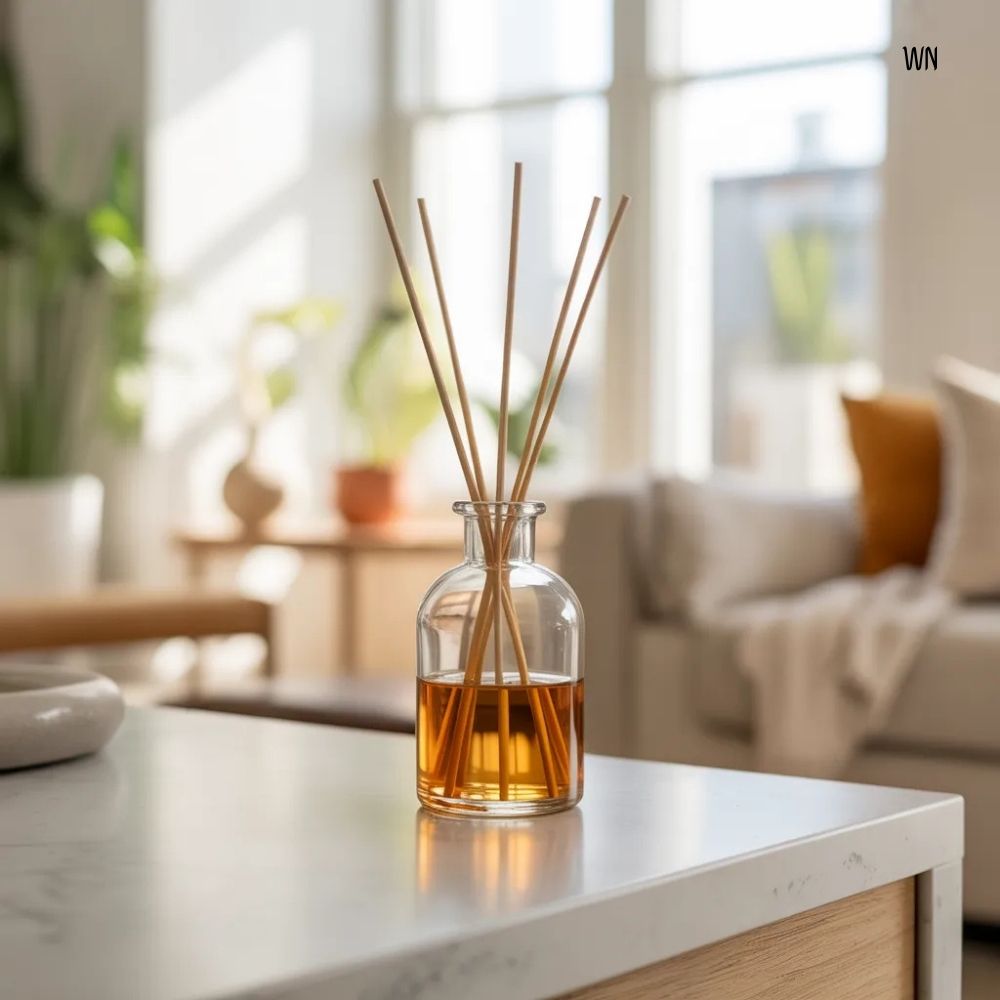
Use it lightly. A subtle, consistent scent is more calming than strong or changing fragrances. This helps create a sense of emotional continuity in your space.
Adjustment 10: Make One Room a “Slow Zone”
Not every room needs to support productivity.
Clear Example
Designate one room, often the bedroom or living room, as a slower space. Keep it:
- Less cluttered
- Lower in light intensity
- Free from work-related items
This room becomes a signal to your nervous system that it can release tension. We encourage separating spaces for effort and rest whenever possible.
Why These Small Changes Work
These adjustments reduce sensory load. When your environment becomes easier to process, your mind has more space to rest, reflect, and recover.
Calm does not come from forcing relaxation. It comes from creating conditions where relaxation feels natural.
One common mistake is trying to change everything at once. This often leads to overwhelm.
Another is focusing on aesthetics instead of comfort. Calm comes from how a space feels, not how it looks online. We encourage choosing adjustments that genuinely support your daily life.
Final Thoughts
Your home does not need to be perfect to support a calmer, healthier mind. It only needs to feel supportive, predictable, and gentle.
By making small adjustments to light, sound, clutter, and routine, you help your nervous system settle without extra effort. These changes work quietly, in the background, but their impact grows over time.
We encourage you to see your home not as something to manage, but as something that can support you. A calmer environment often leads to a calmer mind, one small adjustment at a time.