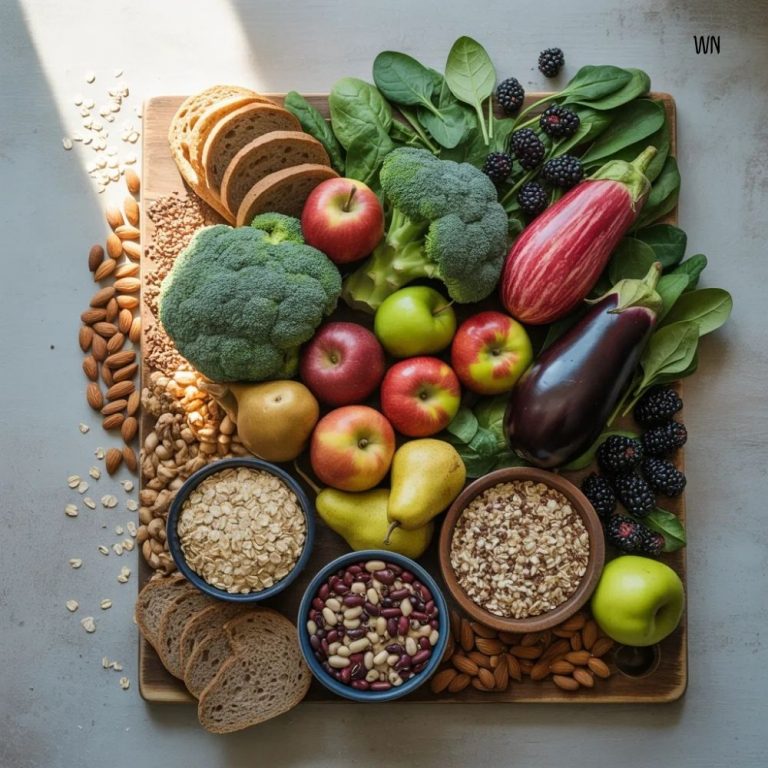
Nutritionists Share Fruits That Are Great to Start Your Day With
Starting your day with fruit often sounds like simple advice, yet many people are unsure how to do it well. Some worry fruit will not keep them full. Others wonder if fruit in the morning is “too much sugar.” These questions are understandable, especially with so many conflicting messages about nutrition. We want to take…
Starting your day with fruit often sounds like simple advice, yet many people are unsure how to do it well. Some worry fruit will not keep them full. Others wonder if fruit in the morning is “too much sugar.” These questions are understandable, especially with so many conflicting messages about nutrition.
We want to take a calmer, more practical approach. Fruits can be a gentle, nourishing way to wake up your body, support digestion, and provide steady energy when chosen and combined thoughtfully. The goal is not to eat fruit perfectly, but to use it in a way that truly supports how you feel throughout the morning.
Nutritionists often emphasize that morning nutrition sets the tone for blood sugar balance, digestion, and energy. Fruits can play a valuable role in that balance when we understand how different fruits affect the body and how to pair them wisely.
Why Fruit Works Well in the Morning
After a night of rest, your body is naturally ready for hydration, gentle energy, and nutrients that are easy to digest. Fruits provide natural carbohydrates, water, fiber, and antioxidants, all of which help your body transition into the day.
Many fruits also contain vitamins that support metabolism and brain function, which is especially helpful when you are easing into mental tasks. When eaten mindfully, fruit can feel refreshing rather than heavy.
We believe fruit works best in the morning when it is part of a balanced approach rather than eaten in isolation without support.
The Key to Choosing the Right Morning Fruits
Not all fruits affect the body in the same way. Some provide quick energy, while others release energy more slowly. Some are very hydrating, while others are more filling.
Nutritionists often suggest choosing fruits based on three main factors:
- Fiber content, which helps slow digestion and stabilize energy
- Water content, which supports hydration
- How well the fruit pairs with protein or healthy fats
When these factors are considered, fruit becomes a supportive morning food rather than a source of energy crashes.
Berries: Gentle Energy With Strong Nutritional Support
Berries are frequently recommended by nutritionists as a morning fruit choice. Blueberries, strawberries, raspberries, and blackberries are rich in fiber and antioxidants while being relatively low in natural sugar compared to some other fruits.
This balance helps provide steady energy without sharp spikes. Berries are also easy to digest and gentle on the stomach, which makes them suitable even when your appetite feels light in the morning.
We suggest pairing berries with protein-rich foods such as yogurt, cottage cheese, or nuts. This combination helps extend fullness and supports muscle maintenance.

Apples: A Steady and Satisfying Start
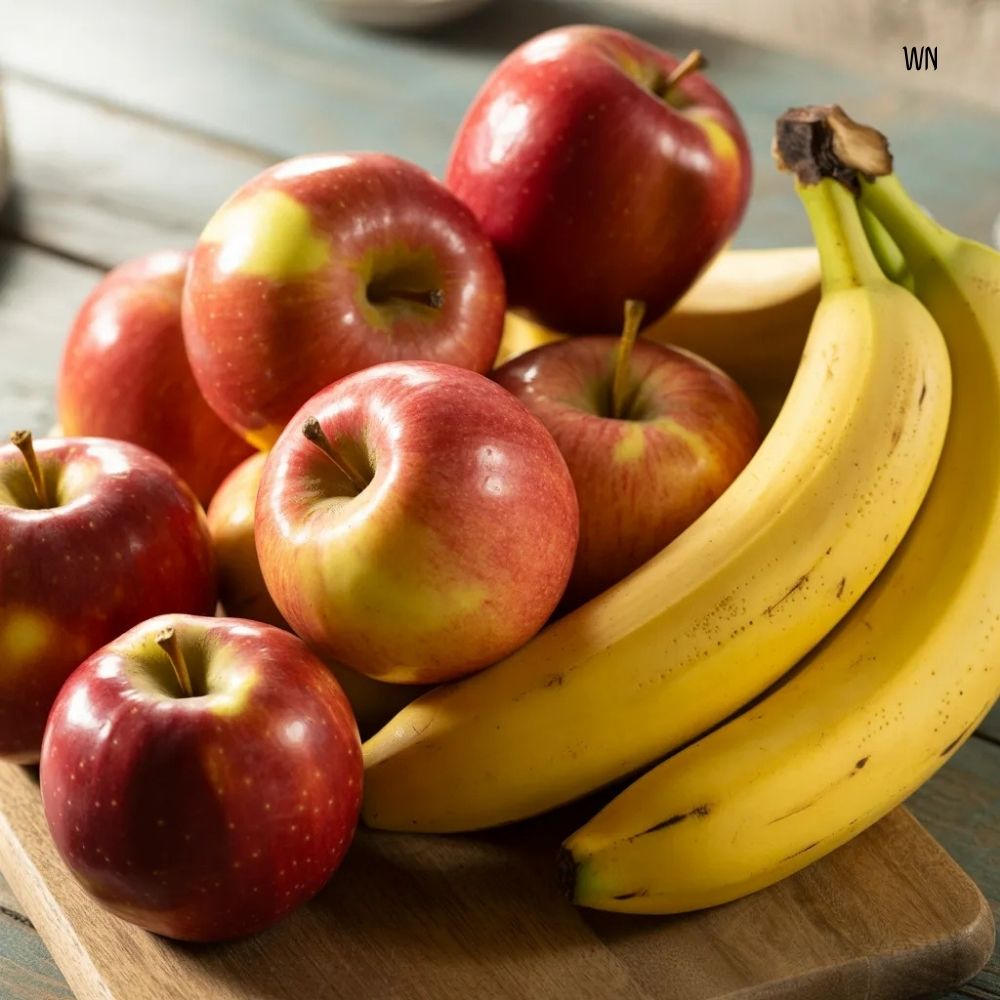
Apples are another fruit often praised for morning meals. They contain soluble fiber, which supports digestion and helps you feel satisfied longer.
Eating an apple in the morning can feel grounding, especially when paired with a source of protein or fat. The crunch and natural sweetness can also make breakfast feel more enjoyable without relying on processed sugars.
Nutritionists often recommend apples for people who experience mid-morning hunger, as they help regulate appetite gently.
Bananas: Quick Energy With a Calming Effect
Bananas are commonly associated with morning routines because they are easy to eat, portable, and naturally energizing. They provide carbohydrates that your body can use quickly, along with potassium, which supports muscle and nerve function.
While bananas are higher in natural sugars than some fruits, they can still be part of a balanced morning when paired thoughtfully. Combining a banana with nut butter, yogurt, or eggs helps slow digestion and maintain steady energy.
We encourage viewing bananas as a supportive food rather than something to avoid. Context matters more than the fruit itself.
Citrus Fruits: Refreshing and Hydrating
Oranges, grapefruit, and other citrus fruits are rich in vitamin C and water content, making them refreshing choices in the morning. They help rehydrate the body and stimulate digestion gently.
Citrus fruits can feel especially helpful if you wake up feeling sluggish or heavy. Their bright flavor often signals alertness and freshness to the body.
Nutritionists often suggest eating citrus alongside other foods rather than alone, especially for people with sensitive stomachs. Pairing citrus with protein can help balance acidity and energy release.

Pears: Gentle on Digestion and Naturally Filling
Pears are sometimes overlooked, but they offer excellent fiber content and a mild flavor that works well in the morning. Their fiber supports digestion and helps prevent sudden hunger later in the day.
Because pears are less acidic than some fruits, they are often well tolerated by people who experience morning digestive sensitivity.
We suggest pairing pears with nuts, seeds, or yogurt to create a satisfying, balanced start to the day.
Kiwi: Small Fruit With Big Benefits
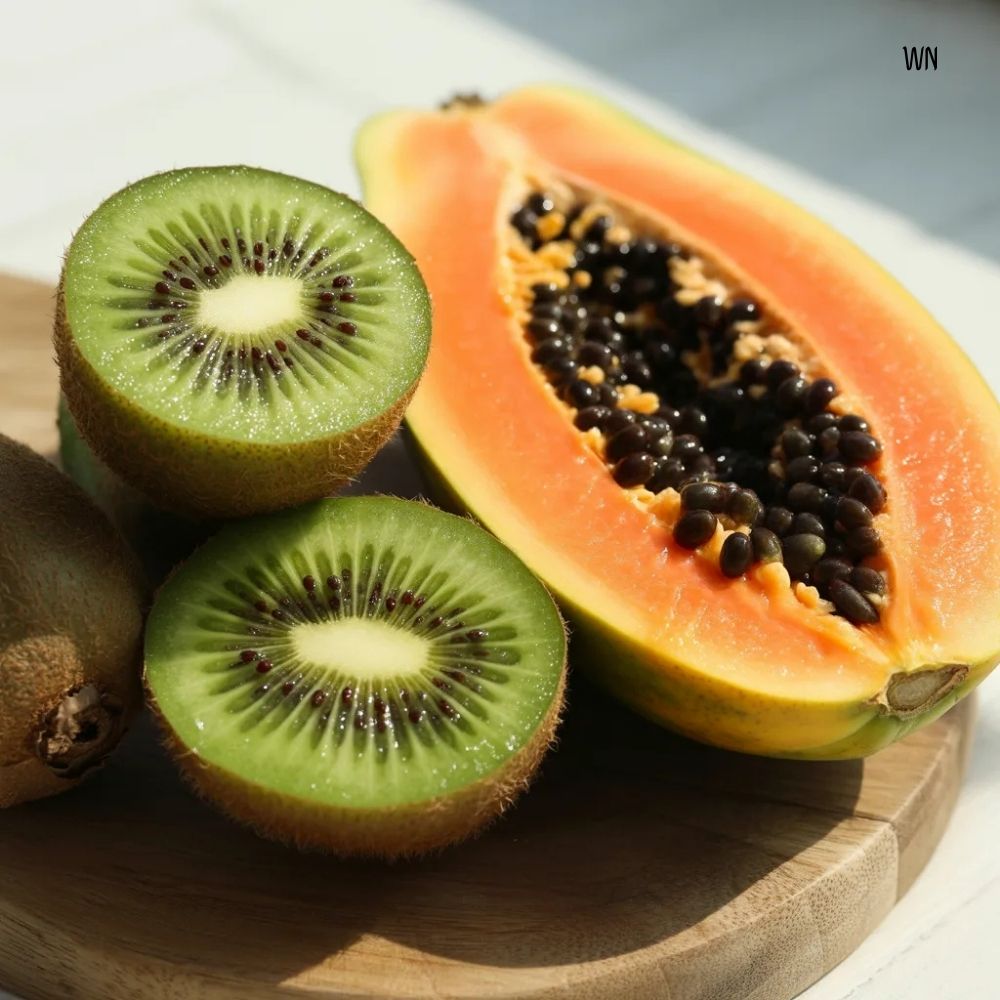
Kiwi is a nutrient-dense fruit that nutritionists often highlight for digestion and gut health. It contains fiber and natural enzymes that support bowel regularity.
Kiwi also provides vitamin C and antioxidants, making it a strong choice for immune support. Its light texture works well in the morning, especially when combined with protein. Even one kiwi can add nutritional value without overwhelming your appetite.
Papaya: Supporting Digestion Naturally
Papaya is known for containing enzymes that aid digestion. Nutritionists often recommend it for people who feel heavy or bloated in the morning.
Its soft texture and mild sweetness make it easy to digest, while its water content supports hydration.
Papaya works well as part of a balanced breakfast rather than eaten in large amounts alone. Combining it with yogurt or seeds can create a gentle, nourishing meal.
How to Combine Fruit for a Balanced Morning
One of the most important things nutritionists emphasize is combination. Fruit alone may feel refreshing, but it often does not provide lasting fullness.
We recommend pairing fruit with:
- Protein, such as eggs, yogurt, or nuts
- Healthy fats, such as seeds or nut butter
- Whole grains, if desired, for added energy
These combinations help slow digestion, stabilize blood sugar, and support focus throughout the morning.
Common Mistakes With Morning Fruit
One common mistake is relying only on fruit for breakfast when the day ahead requires sustained energy. This can lead to hunger and fatigue later.
Another mistake is avoiding fruit altogether due to fear of sugar. When eaten as part of a balanced meal, fruit’s natural sugars are not the same as refined sugars. We encourage you to observe how your body responds rather than following rigid rules.
Adjusting Fruit Choices to Your Lifestyle
Your morning routine may be rushed, calm, or somewhere in between. Fruit is flexible and adaptable.
If mornings are busy, simple options like apples or bananas are practical. If mornings are slower, berries, kiwi, or citrus can be incorporated into bowls or plates. The best fruit is the one you enjoy and can eat consistently.
When Fruit Might Need Extra Support
Some people feel shaky or hungry quickly after eating fruit. This often means the meal lacked balance rather than that fruit is unsuitable.
Adding protein or fat usually resolves this issue. We encourage adjusting combinations rather than eliminating fruit.
Final Thoughts
Fruits can be a nourishing and enjoyable way to start your day when chosen thoughtfully and combined wisely. Nutritionists consistently emphasize balance, variety, and listening to your body.
We encourage you to experiment gently. Try different fruits, notice how you feel, and adjust combinations as needed. Morning nutrition does not need to be perfect to be supportive.
By choosing fruits that provide hydration, fiber, and steady energy, and pairing them with other nourishing foods, you can create mornings that feel lighter, more stable, and more satisfying.
Your body responds best to care that feels natural and sustainable. Fruit, when enjoyed mindfully, can be a simple part of that care.