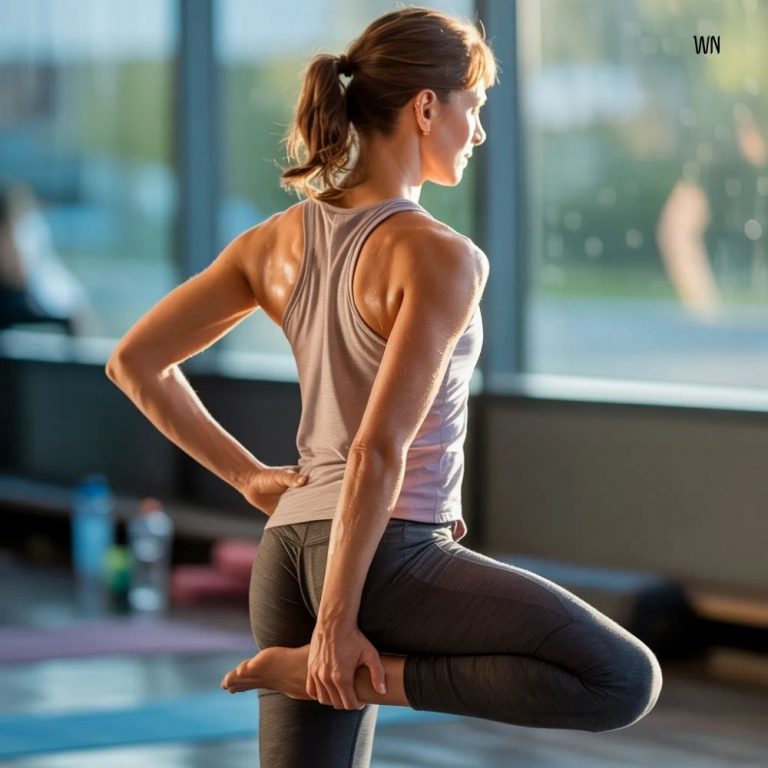
Simple Movement Changes That Help Balance Long Sitting Hours
Sitting has become one of the most common parts of modern life. Many of us sit while working, commuting, eating, and relaxing. Even people who exercise regularly often spend most of their day seated. Over time, long sitting hours can quietly affect how your body feels, moves, and recovers. We want to reassure you that…
Sitting has become one of the most common parts of modern life. Many of us sit while working, commuting, eating, and relaxing. Even people who exercise regularly often spend most of their day seated. Over time, long sitting hours can quietly affect how your body feels, moves, and recovers.
We want to reassure you that sitting itself is not the problem. The issue is staying still for too long without balance. Your body is designed to move frequently, in small ways, throughout the day. When movement becomes occasional instead of regular, stiffness, fatigue, and discomfort often follow.
The good news is that you do not need intense workouts or major schedule changes to support your body. Simple movement changes, repeated consistently, can help balance long sitting hours and make a noticeable difference in how you feel.
Why Long Sitting Affects the Body
When you sit for extended periods, several things happen at once. Muscles that support posture remain contracted for too long, while others become inactive. Circulation slows, especially in the lower body. Joints stay in limited ranges of motion. Over time, this creates tension and imbalance.
You may notice tight hips, stiff shoulders, a heavy feeling in your legs, or reduced energy. These sensations are not signs that your body is weak.
They are signals that your body needs variety and movement. We believe the goal is not to eliminate sitting, but to interrupt it gently and regularly.

Why Small Movements Matter More Than You Think
Many people believe movement only “counts” if it is intense or planned. In reality, frequent low-level movement throughout the day plays a huge role in comfort and recovery.
Small movements help restore circulation, lubricate joints, and reset posture. They also signal to your nervous system that it is safe to relax, reducing overall tension.
When movement becomes part of your day instead of an isolated event, your body feels more supported.
Movement Change 1: Stand Up More Often, Even Briefly
One of the simplest changes you can make is standing up more frequently. You do not need to stand for long periods. Even one or two minutes at a time can help.
We suggest standing up every 30 to 60 minutes if possible. This might mean standing while taking a phone call, stretching briefly, or simply changing position.
Standing helps reactivate muscles that become inactive during sitting and improves blood flow to the lower body.
Movement Change 2: Add Gentle Spinal Movement
Sitting often keeps the spine in a fixed position. Over time, this can create stiffness in the neck, upper back, and lower back.
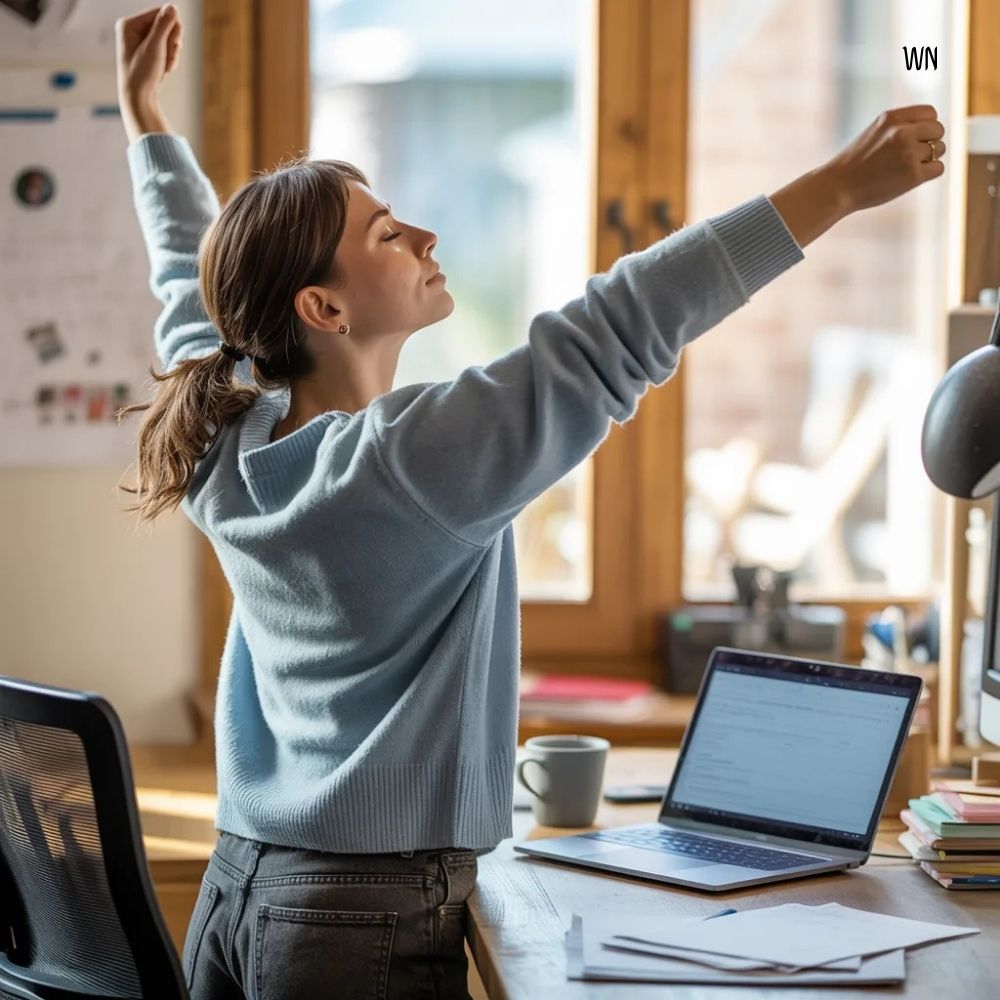
We encourage gentle spinal movement throughout the day. This can include slow shoulder rolls, gentle twists, or standing stretches that encourage length and mobility.
You do not need to force deep stretches. Small, controlled movements are enough to remind your spine that it can move freely.
Movement Change 3: Wake Up the Hips
The hips play a central role in movement, posture, and balance. Long sitting keeps the hips flexed, which can lead to tightness and discomfort.
Simple hip-opening movements can help. Standing lunges, stepping side to side, or even walking for a few minutes encourages the hips to move through a fuller range.
We suggest paying attention to how your hips feel when you first stand up. Gentle movement often relieves stiffness quickly.
Movement Change 4: Support Circulation in the Legs
Sitting for long hours can make the legs feel heavy or tired. This is often due to reduced circulation.
We recommend simple leg movements throughout the day. Ankle circles, calf raises, or short walks help blood flow more efficiently.
Even subtle movements while seated, such as flexing and extending the feet, can support circulation when standing is not possible.
Movement Change 5: Balance Sitting With Walking
Walking is one of the most effective ways to balance long sitting hours. It does not need to be fast or long to be helpful.
We encourage adding short walks whenever possible. This could be a walk after meals, during breaks, or while thinking through ideas. Walking supports joint mobility, circulation, and mental clarity. It also helps reset posture after sitting.
Movement Change 6: Adjust How You Sit, Not Just How Long
While movement is essential, how you sit also matters. Sitting in one position for too long creates strain, even if posture is “correct.” We suggest changing your sitting position occasionally. Adjust your chair, shift weight, or move your feet.
Allowing variety in posture reduces pressure on specific muscles and joints. Comfort often comes from movement, not stiffness.
Movement Change 7: Use Micro-Stretches During the Day
Micro-stretches are short, gentle stretches that take less than a minute. They are easy to incorporate and effective when done regularly.
We recommend stretching areas that feel tight, such as the neck, shoulders, hips, and calves. Stretch only to a comfortable range and breathe calmly. These small stretches help release tension before it builds into discomfort.
Movement Change 8: End the Day With Gentle Release
After a day of sitting, your body benefits from gentle release in the evening. This does not need to be a workout.
We encourage light stretching, slow walking, or relaxed movement that helps the body unwind. Even five to ten minutes of calm movement can help reduce stiffness and support better rest.
Why Consistency Matters More Than Intensity
We want to emphasize that consistency is key. A single long stretch or workout does not undo hours of sitting if the rest of the day remains unchanged.
Small movements repeated daily create lasting support. Over time, your body adapts and feels more comfortable even during sitting periods. This approach respects how the body works naturally.
Common Mistakes We See With Long Sitting
One common mistake is waiting until pain appears before moving. At that point, tension has already built up.
Another is trying to compensate with intense exercise while remaining sedentary the rest of the day. Exercise is valuable, but it does not replace regular movement. We encourage viewing movement as a daily companion rather than a scheduled event.
Listening to Your Body’s Signals
Your body communicates clearly when it needs movement. Stiffness, restlessness, fatigue, and discomfort are signals, not problems.
When you respond with gentle movement, your body often recovers quickly. Learning to notice these signals helps prevent discomfort from becoming persistent.
Final Thoughts
Long sitting hours are a reality for many adults, but they do not have to define how your body feels. Simple movement changes, practiced consistently, can help restore balance, comfort, and ease.
We encourage you to start small. Choose one or two movement changes and try them for a week. Notice how your body responds.
Movement does not need to be intense to be effective. When done regularly and gently, it becomes one of the most powerful tools for supporting your body in a sitting-heavy world.
Your body is built to move, even in small ways. Giving it that opportunity throughout the day is one of the simplest forms of care you can offer.