How to Enjoy Healthy Foods Without Overdoing Them
Eating healthy is often presented as a list of rules. Eat this. Avoid that. Add more of this nutrient. Cut back on that ingredient. Over time, these messages can make healthy eating feel complicated, restrictive, or even stressful. We believe it does not have to be that way. Healthy foods are meant to support your…
Eating healthy is often presented as a list of rules. Eat this. Avoid that. Add more of this nutrient. Cut back on that ingredient. Over time, these messages can make healthy eating feel complicated, restrictive, or even stressful. We believe it does not have to be that way.
Healthy foods are meant to support your body, not overwhelm it. When we overdo even the “good” foods, we can end up feeling uncomfortable, fatigued, or disconnected from our natural hunger signals.
That is why learning how to enjoy healthy foods in balanced amounts matters just as much as choosing the right ingredients.
In this article, we want to show you how to enjoy healthy foods without going too far. We will talk about common reasons people unintentionally overeat healthy foods, how to recognize balance, and how to build meals that feel satisfying instead of excessive.
To make this practical, we will also share a simple recipe that shows what balanced, enjoyable healthy eating can look like in real life.
Why It Is Easy to Overdo Healthy Foods
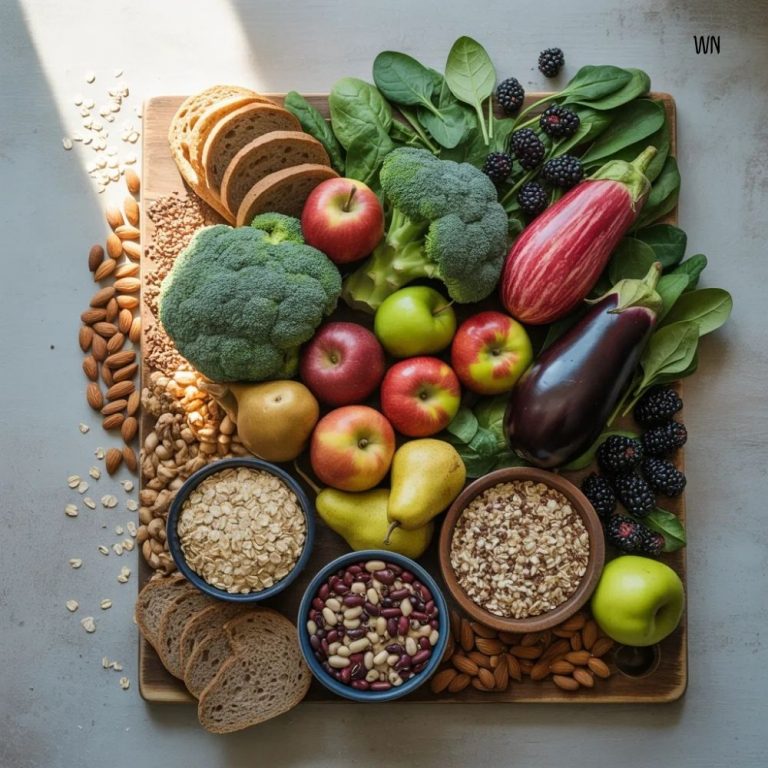
Healthy foods carry a positive image. Fruits, vegetables, nuts, whole grains, and healthy fats are often described as foods you can eat freely. While these foods are nutritious, that does not mean your body needs unlimited amounts of them.
One reason people overdo healthy foods is mindset. When food is labeled as “good,” it can feel harmless to keep eating more. Another reason is portion distortion. Foods like nuts, seeds, avocado, olive oil, and dried fruit are very nutrient-dense, which means small portions go a long way.
We also see people overeating healthy foods when meals lack balance. If a meal is made up of only vegetables, for example, hunger often returns quickly. That can lead to repeated snacking later, even if the foods chosen are healthy.
Enjoying healthy foods without overdoing them starts with understanding how your body responds to different combinations of nutrients.
What Balanced Eating Really Means
Balanced eating is not about strict portion control or measuring every bite. It is about giving your body what it needs to feel satisfied, energized, and stable.
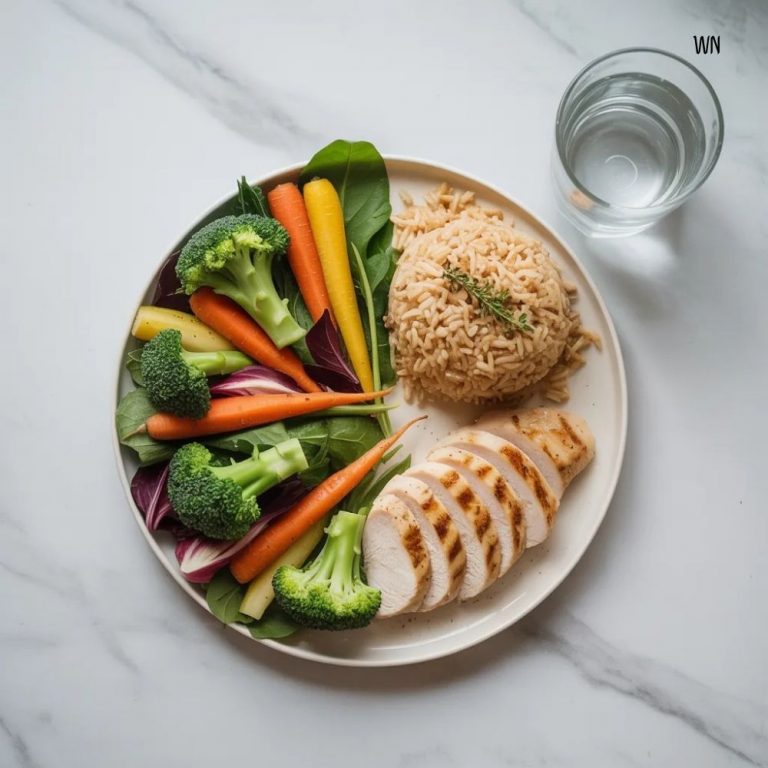
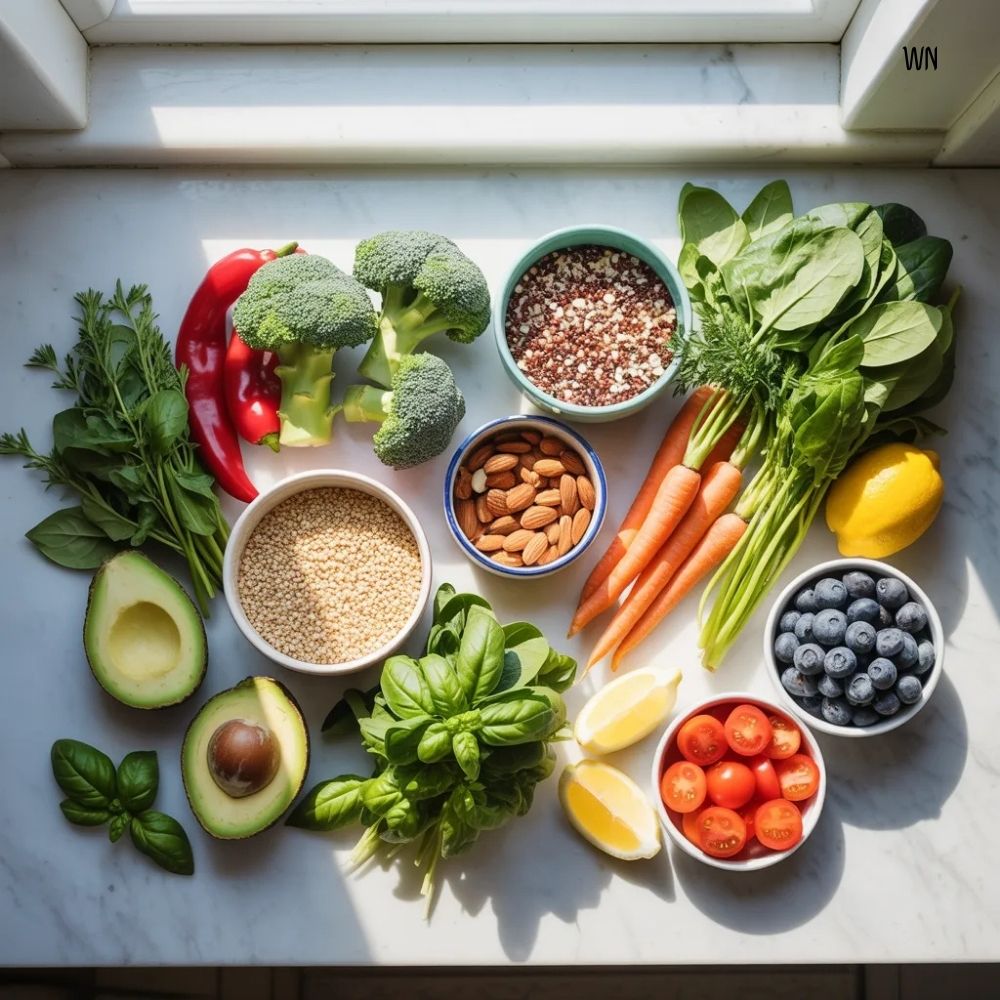
A balanced meal usually includes:
- A source of protein to support fullness and muscle repair
- A source of carbohydrates for energy
- Healthy fats to support absorption and satisfaction
- Fiber-rich foods like vegetables or fruit
When these elements work together, your body feels nourished rather than deprived. This makes it easier to stop eating when you feel comfortably full, even when the food is healthy.
We want you to think of balance as cooperation between foods, not competition.
Listening to Fullness Signals With Healthy Foods
Many people expect fullness to feel heavy. When eating healthy foods, fullness often feels lighter and more subtle. This can make it harder to recognize when your body has had enough.
We encourage you to slow down slightly when eating. Notice how your body feels halfway through the meal. Are you still hungry, or are you starting to feel comfortable?
Stopping when you feel satisfied rather than stuffed allows healthy foods to do their job. You still get the nutrients without overwhelming digestion.
It also helps to eat without distractions when possible. Even one calm meal a day can help you reconnect with hunger and fullness cues.
Common Healthy Foods That Are Easy to Overeat
We are not saying these foods are bad. We are simply highlighting that moderation matters.
Nuts and nut butters are nutritious, but small portions are often enough. Oils are healthy fats, but they are concentrated. Smoothies can be nutritious, but they can also pack a lot of calories quickly if overloaded with ingredients.
When enjoying these foods, pairing them with protein and fiber helps balance intake naturally.
For example, adding nuts to yogurt instead of eating them alone can feel more satisfying with less quantity.
Building Meals That Feel Complete
One of the best ways to avoid overdoing healthy foods is to build meals that feel complete from the start. When a meal feels unfinished, the body keeps asking for more.
We suggest asking yourself a simple question before eating: “Does this meal have protein, fiber, and some fat?”
If the answer is yes, your chances of feeling satisfied improve significantly. This approach removes the need to constantly think about portions because your body naturally regulates intake better.
A Simple Recipe Example: Balanced Lemon Yogurt Bowl
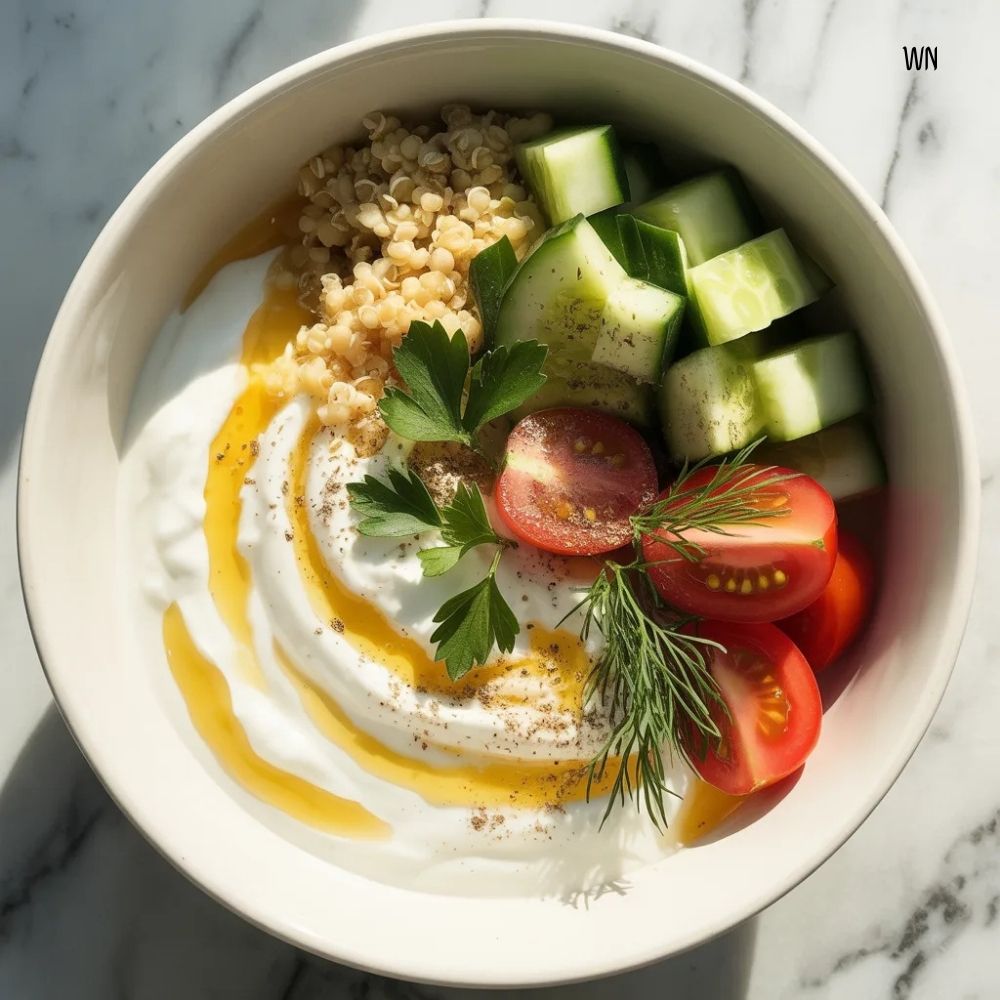
To show how this works in practice, we want to share a simple recipe that many people enjoy. This bowl is light, refreshing, and nourishing without being excessive. It also shows how familiar healthy ingredients can work together.
Why We Chose This Recipe
This recipe includes protein, healthy fats, fiber, and flavor. It feels satisfying without being heavy and works well for breakfast, lunch, or a light dinner.
Balanced Lemon Yogurt Bowl (Serves 1)
Ingredients
- Plain Greek yogurt
- Fresh lemon juice
- Olive oil
- Honey
- Cooked quinoa
- Cucumber, chopped
- Cherry tomatoes, halved
- Fresh herbs such as parsley or dill
- Salt and black pepper
Instructions
- In a bowl, combine the Greek yogurt with a squeeze of lemon juice, a small drizzle of olive oil, and a touch of honey. Stir until smooth.
- Add a small portion of cooked quinoa on top of the yogurt.
- Layer cucumber and cherry tomatoes over the bowl.
- Sprinkle with fresh herbs, a pinch of salt, and black pepper.
- Taste and adjust seasoning gently rather than adding more volume.
Why This Recipe Supports Balanced Eating
This bowl works because it combines multiple nutrients without relying on large portions. The yogurt provides protein, which supports fullness. The quinoa adds gentle carbohydrates for energy. The vegetables contribute fiber and freshness. The olive oil adds healthy fat without overpowering the dish.
Because the flavors are balanced, you are less likely to keep eating out of boredom or dissatisfaction. The meal feels complete, even though the portions remain reasonable.
This is a good example of enjoying healthy foods without feeling like you need more and more to feel satisfied.
How to Apply This Approach to Other Meals
You do not need to repeat this recipe daily. The principle behind it is what matters.
When preparing meals, aim for variety and balance instead of quantity. Choose flavors you enjoy. Eat slowly enough to notice satisfaction. Trust that healthy foods can be enjoyed without excess.
If you find yourself constantly grazing on healthy snacks, it may be a sign that meals are missing balance rather than that you lack discipline.
Letting Go of Perfection
One of the most important parts of enjoying healthy foods is letting go of perfection. Some days you will eat more. Some days less. That is normal.
Healthy eating is not about control. It is about relationship. When you trust your body and give it balanced meals, it usually responds well.
Over time, this approach creates ease instead of tension around food.
Final Thoughts
Healthy foods are meant to support your life, not dominate it. When enjoyed with balance, they nourish your body and leave space for satisfaction, comfort, and enjoyment.
We encourage you to focus less on eating “perfectly” and more on eating thoughtfully. Balanced meals, gentle awareness, and enjoyment go a long way.
By choosing combinations that feel complete and listening to your body’s signals, you can enjoy healthy foods fully without overdoing them. This is where sustainable, peaceful eating begins.