5 Small Daily Habits That Help Your Body Rest and Recover Better
Rest is often misunderstood. Many people think rest only happens at night or only matters when we feel exhausted, but in reality, recovery is something your body needs throughout the entire day. When recovery is supported consistently, your energy levels improve, stress feels more manageable, and even sleep quality can become more stable over time….
Rest is often misunderstood. Many people think rest only happens at night or only matters when we feel exhausted, but in reality, recovery is something your body needs throughout the entire day.
When recovery is supported consistently, your energy levels improve, stress feels more manageable, and even sleep quality can become more stable over time.
We want to share five small daily habits that help your body rest and recover better. These are not dramatic lifestyle changes or complicated routines. They are gentle, realistic adjustments that fit into everyday life, even when schedules are full and responsibilities are heavy.
When your body recovers well, it does not need to constantly compensate for stress, tension, or fatigue. Over time, these small habits can make a meaningful difference in how you feel physically and mentally.
Why Recovery Matters More Than We Often Realize
Your body is always responding to something. Movement, stress, food, posture, screens, noise, and even thoughts all place small demands on your system. Recovery is the process that allows your body to reset after those demands.
When recovery is limited, the body stays in a low-level state of tension. This can show up as poor sleep, tight muscles, digestive discomfort, irritability, or persistent fatigue.
Many people assume this is just part of adulthood, but often it is a sign that recovery is not being prioritized in small, consistent ways.
We believe recovery works best when it is woven into daily life rather than saved for rare moments of rest. That is where these habits come in.
Habit 1: Create Gentle Pauses Between Activities
Many days are spent moving from one task directly into the next. Even when tasks are not physically demanding, the constant mental shifting places stress on the nervous system.
We encourage you to create short pauses between activities whenever possible. This can be as simple as standing still for a moment after finishing a task, taking a slow breath before opening a new email, or sitting quietly for one minute before transitioning to something else.
These pauses give your nervous system a signal that it is safe to relax, even briefly. Over time, this reduces overall tension and supports better recovery throughout the day.
You do not need long breaks for this habit to work. What matters is allowing your body small moments to reset instead of staying in continuous motion.

Habit 2: Support Recovery Through Consistent Hydration
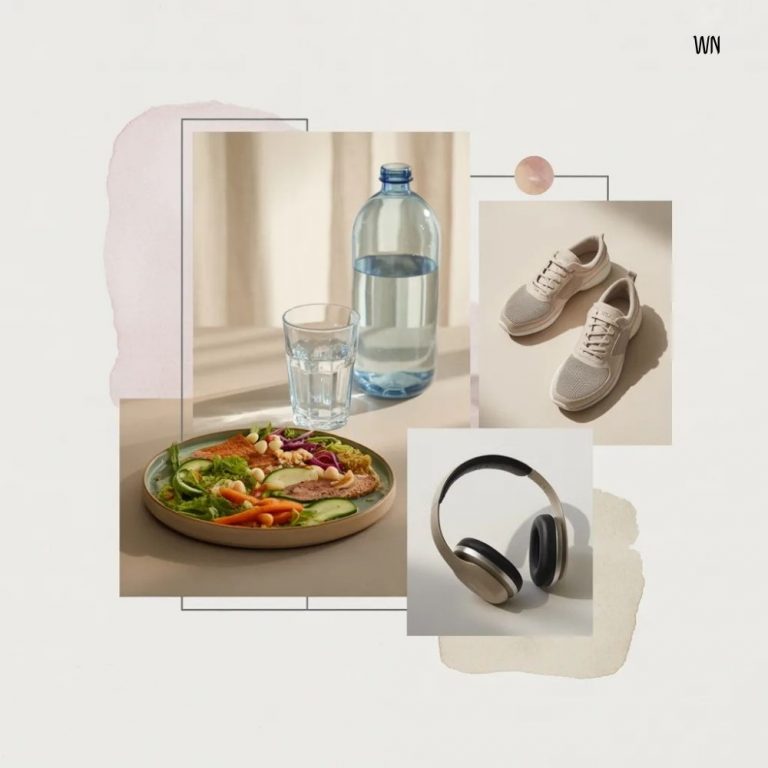
Hydration plays a larger role in recovery than many people realize. Even mild dehydration can make muscles feel tighter, slow circulation, and increase feelings of fatigue.
We recommend focusing on consistent hydration rather than drinking large amounts at once. Sipping water regularly throughout the day helps your body maintain balance and supports recovery at the cellular level.
Pay attention to how your body feels rather than forcing a strict rule. If your mouth feels dry, energy drops suddenly, or concentration fades, your body may be asking for water.
Hydration also supports recovery during sleep. When the body is properly hydrated, circulation improves, which helps muscles relax and tissues repair more efficiently overnight.
Habit 3: Reduce Stimulation Before Rest Periods
Many people struggle to fully rest because their nervous system remains overstimulated. Bright screens, constant notifications, loud environments, and multitasking keep the body in an alert state even when rest is intended.
We suggest gently reducing stimulation before rest periods, especially in the evening. This does not require turning your life upside down. Small changes are enough.
You might dim lights slightly after dinner, lower the volume on devices, or step away from screens for a short time before bed. Even choosing calmer content can help signal to your body that it is time to slow down.
When stimulation decreases, your body has a better chance to shift into recovery mode. This supports deeper rest and more effective overnight repair.
Habit 4: Move Your Body in a Way That Encourages Release, Not Strain
Movement is important for recovery, but not all movement supports rest. High-intensity exercise can be beneficial, but without balance, it can also increase tension.
We encourage including gentle movement that helps your body release rather than push. Walking, stretching, slow mobility exercises, or relaxed breathing with movement can all support recovery.
These forms of movement improve circulation, reduce stiffness, and help muscles relax. They also encourage the nervous system to calm down rather than stay in a constant state of effort.
If your body feels tight or sore, gentle movement can often help more than complete stillness. The key is choosing movement that feels supportive rather than demanding.

Habit 5: Establish a Predictable Wind-Down Routine
Your body responds well to patterns. When evenings follow a similar rhythm, your nervous system learns when to shift toward rest.
We suggest creating a simple wind-down routine that signals the end of the day. This might include washing up, preparing clothes for the next day, stretching lightly, or sitting quietly for a few minutes.
The routine does not need to be long or elaborate. What matters is consistency. Over time, your body begins to associate these actions with rest, making it easier to relax and recover.
A predictable routine reduces mental clutter, which often interferes with sleep and recovery.
How These Habits Work Together
Each habit on its own offers support, but together they create an environment where recovery becomes more natural. Gentle pauses reduce stress accumulation.
Hydration supports physical balance. Reduced stimulation allows the nervous system to calm. Supportive movement encourages release. Predictable routines help the body prepare for rest.
Recovery is not something you force. It happens when conditions allow it. These habits help create those conditions throughout the day.
Common Recovery Challenges We See
Many people believe they must earn rest through exhaustion. This mindset often leads to pushing too hard and resting too late.
Another challenge is feeling guilty about slowing down. Rest is sometimes seen as unproductive, even though it is essential for long-term health.
We encourage you to view recovery as part of your daily maintenance, not a reward. Supporting recovery does not mean doing less. It means allowing your body to function better.
When recovery is supported consistently, many people notice subtle changes. Energy becomes more stable. Sleep feels deeper. Muscles feel less tense. Mood improves. Stress feels easier to manage.
These changes often happen gradually. That is a good sign. Sustainable recovery builds slowly and supports your body long-term.
Final Thoughts
Rest and recovery are not luxuries. They are essential parts of health that deserve daily attention. By adopting small habits that support recovery, you give your body the opportunity to reset, repair, and respond more calmly to everyday demands.
We encourage you to choose one habit from this list and try it consistently for a week. Pay attention to how your body responds. Often, your body will tell you what it needs when you give it the chance.
Recovery does not require drastic changes. It grows from small, thoughtful moments repeated day after day.